
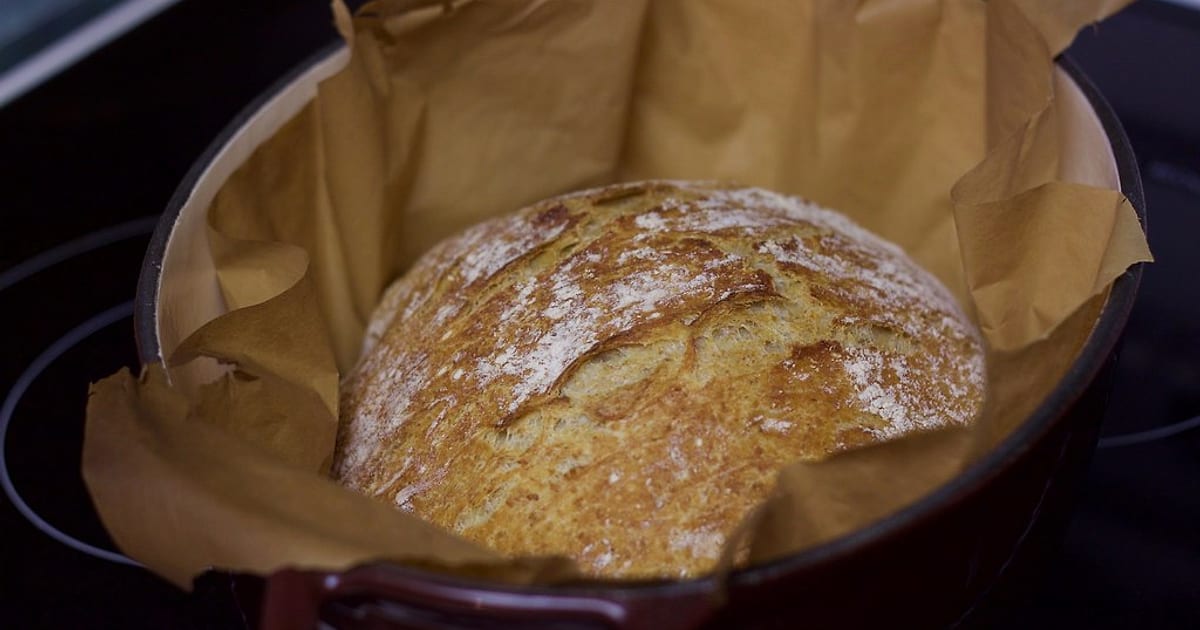
Imagine a pot that makes dal creamy, keeps biryani steaming, bakes a crusty loaf and goes straight to the dining table. That is a Dutch oven. It is simply a heavy cast iron pot with thick walls and a tight, heavy lid, made for cooking food slowly in its own steam.
If that sounds like something your grandmother already did in a handi, you are right. The idea is old and very Indian. The Dutch oven is the same thought in a sturdier, wider form. Here is what it is, what it cooks well, what a 24 cm pot can feed and how to look after it.
So what exactly is a Dutch oven?
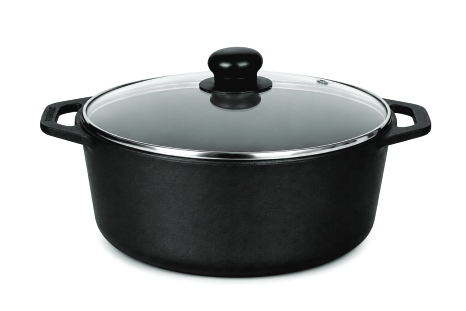
A Dutch oven is a deep, round pot with two handles and a lid that fits closely. The body is thick cast iron. The lid is heavy too. Two things matter most:
- Thick walls. Cast iron is slow to heat up, but once hot it stays hot. The heat spreads steadily and does not swing up and down when you add cold ingredients.
- A heavy, fitted lid. Steam rising from the food hits the lid, cools and drips back down. Little moisture escapes, so food stays juicy and the flavours stay in the pot.
Slow cooks call this braising or stewing. Indian cooks call a version of it dum, which means to cook slowly in a covered pot.
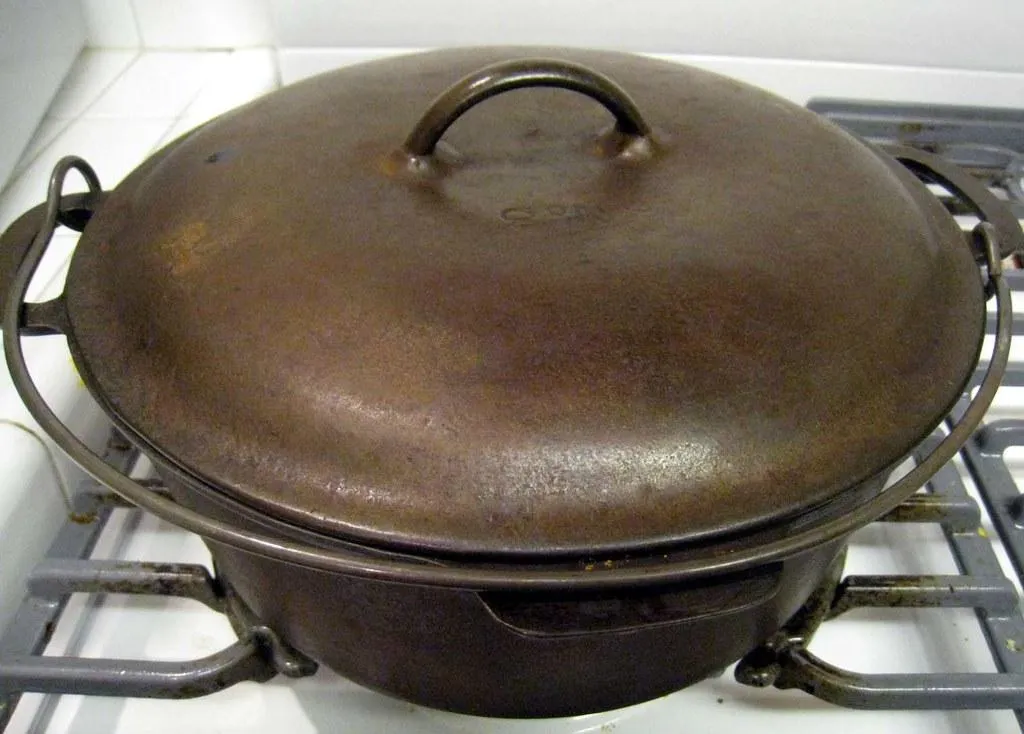 An old cast iron Dutch oven with its lid on, sitting on a hob. Photo: Dvortygirl, CC BY 2.0.
Why is it called “Dutch”?
Nobody is completely sure. The usual story goes back to the early 1700s. An English ironmaster named Abraham Darby went to the Netherlands to study how the Dutch cast brass pots in moulds made of sand. He used the same sand-casting idea for iron, which was cheaper and made pots in larger numbers. Pots made this way came to be called Dutch ovens, though some historians think the name comes from Dutch traders who sold them. Sources also differ on the exact year of his patent. The Wikipedia article on cast-iron cookware gives a short summary.
The part worth remembering is the method. Sand casting is still how cast iron cookware is made today. If you are curious how a pot goes from molten iron to your kitchen, read how cast iron cookware is made.
Dum cooking: India’s own Dutch oven idea
Ask for a biryani in Lucknow or Hyderabad and the word dum will come up. Dum means slow cooking in a sealed pot, so the food finishes in its own steam. The best-known style is dum pukht, from the Awadh region. Traditionally the pot’s rim is sealed with a rope of wheat dough, so no steam escapes, and the pot sits over a very gentle fire. Wikipedia’s entry on dum pukht describes the dough seal and notes it bakes into a bread that soaks up the flavours.
There is a famous story that this style was born during a famine in Awadh in the 1780s, when large pots of rice, meat and vegetables were slow-cooked to feed the workers who were building a great imambara in Lucknow. CNN Travel retells it, and Sahapedia describes the famine relief work. It is a lovely story, but treat it as folklore. Dum pukht is also mentioned in much older writing, so its roots are probably earlier.
What matters for your kitchen is this. Dum cooking needs three things: a heavy pot, a tight lid and low heat. A Dutch oven has all three.
What can you cook in a Dutch oven?
Here is where it earns its place on an Indian stove.
Dal that turns creamy
Dal cooked slowly in a thick pot goes soft and silky. Boil the dal, then let it sit on the lowest flame with the lid on. The steady heat keeps it from catching at the bottom. Finish with a tadka in a small pan, pour it over, and serve straight from the pot. The pot also keeps the dal hot through a long meal.
Dum biryani and pulao
Layer part-cooked rice over spiced meat or vegetables, cover, and cook on the lowest flame. The lid traps the steam, so the rice finishes fluffy while the masala flavours travel up through it. A rope of dough around the rim gives extra security, as in the old method. A strip of foil under the lid also works.
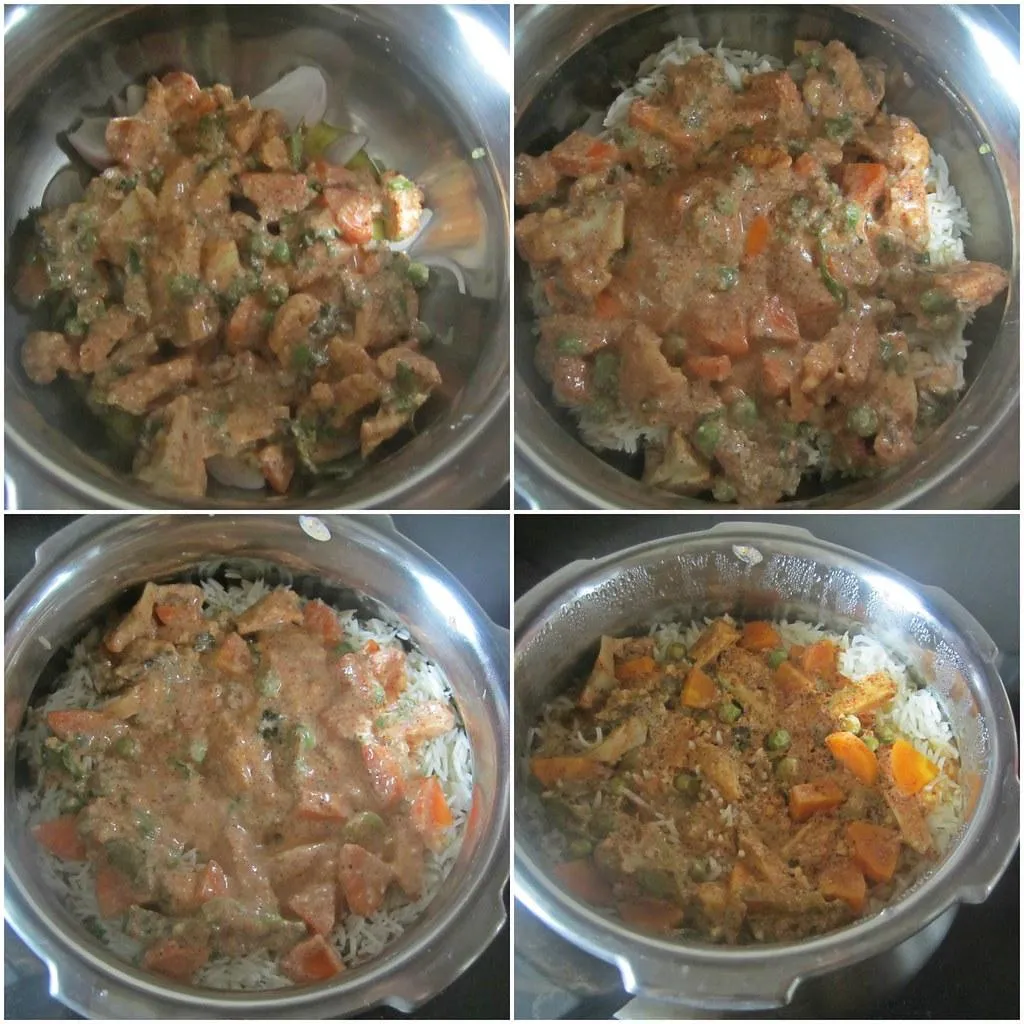 Vegetable biryani layered in a steel pot, ready to cook covered. Photo: easycooking, CC BY 2.0.
Slow curries and dishes made with a lot of onion
Mutton curry, rajma, chole, kadhi, shahi paneer. Anything that needs patience does well here. Brown the onions, add the masala, then lower the flame and cover. Because the lid sends moisture back down, you usually need less water than in an open pan. A chef-school guide on braising makes the same point: thick walls hold heat evenly over a long time, and the lid keeps in the steam that cooks the parts not covered by liquid.
Bread and other bakes
Baking a loaf in a hot covered pot is popular with home bakers. The lid traps the steam that the dough gives off, which keeps the crust stretchy so the loaf can rise before the crust sets. Then the lid comes off so the crust can brown. King Arthur Baking explains the method, and this guide to steam in bread baking explains the science in plain words.
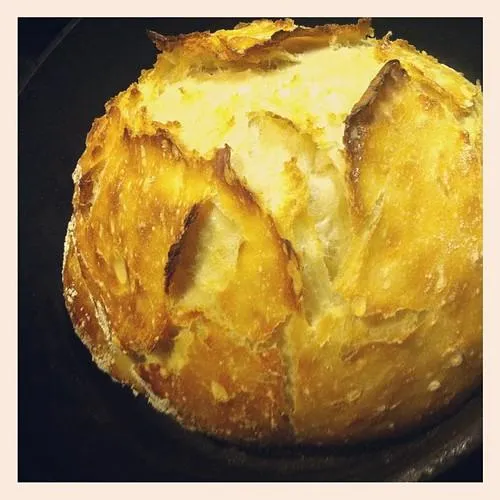 A loaf baked in a Dutch oven, with a golden crust. Photo: timlewisnm, CC BY-SA 2.0.
Bread is usually baked in an oven. Our product page does not give an oven rating for the lid, so please ask us on WhatsApp (+91 90999 29629) before baking in it. For everyday cooking, the hob is all you need.
Frying, boiling and one-pot meals
The deep, heavy body also works for boiling pasta, making soup, one-pot khichdi, or even shallow frying snacks. For deep frying, a kadai is still the better shape. Our article on cast iron kadai for deep frying explains why.
What does a 24 cm Dutch oven serve?
The RIVEDA Cast Iron Dutch Oven 24 CM is 24 cm across, with a heavy fitted lid, two side handles and a 3.6 kg cast iron body. We do not publish a litre capacity, so here are practical guidelines instead.
- Think family meal, not wedding feast. A 24 cm pot suits one main dish for a small family. A dal, a rajma or a chicken curry for a household at dinner is the right size.
- Fill about two-thirds. This leaves room for gentle bubbling and lets the lid sit properly.
- For guests, cook in two rounds. Overfilling a Dutch oven makes it hard to stir and slow to heat evenly.
- A single biryani layer set for a few people fits well. Do not stuff it to the top.
If you cook for a big family every day, you may want to pair it with a bigger Cast Iron Kadai 31 CM for larger quantities. Our guide to the best cast iron kadai can help you choose.
Dutch oven vs kadai vs pressure cooker
New buyers often ask: “I already have a kadai and a cooker. Do I need this?” Here is a simple comparison.
| Dutch oven | Kadai | Pressure cooker | |
|---|---|---|---|
| Shape | Deep, round, heavy lid | Wide, curved, open | Tall, locked lid |
| Best for | Slow, covered cooking: dal, dum, stews, bakes | Frying, sabzi, tadka, stir-frying | Quick boiling of dal, rice, beans |
| Speed | Slow | Quick | Fastest |
| Holds heat after flame is off | Very well | Well | Moderately |
| Serves at the table | Yes | Yes | Usually not |
They do different things. The kadai stays open so moisture can escape and food browns. The cooker is for speed. The Dutch oven is for the dish where you want time, steam and even heat. If you are new to cast iron, our first-time buyer’s guide explains which piece to buy first.
Using it on gas and induction
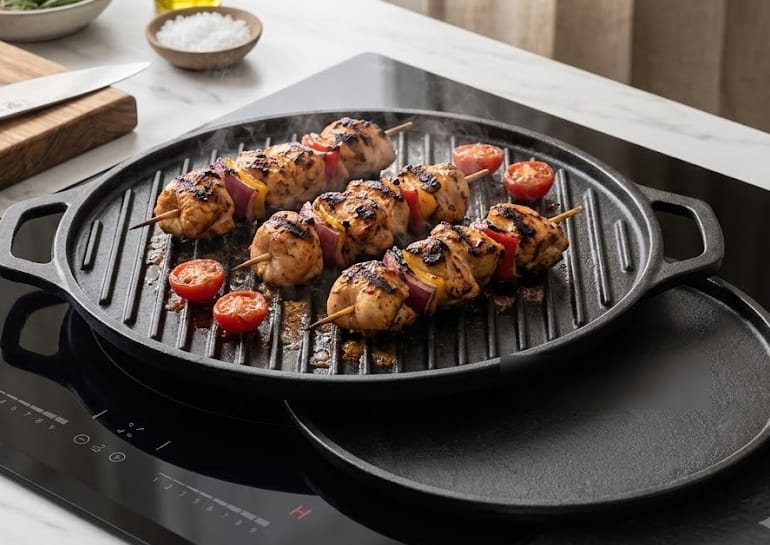
The Dutch oven works on gas and induction. Always follow your hob maker’s guidance on base size and weight, as with any heavy pot. At 3.6 kg empty, it gets much heavier when full of food, so place it down gently and use both handles. Our article on cast iron on induction covers the details.
Three small tips for any hob:
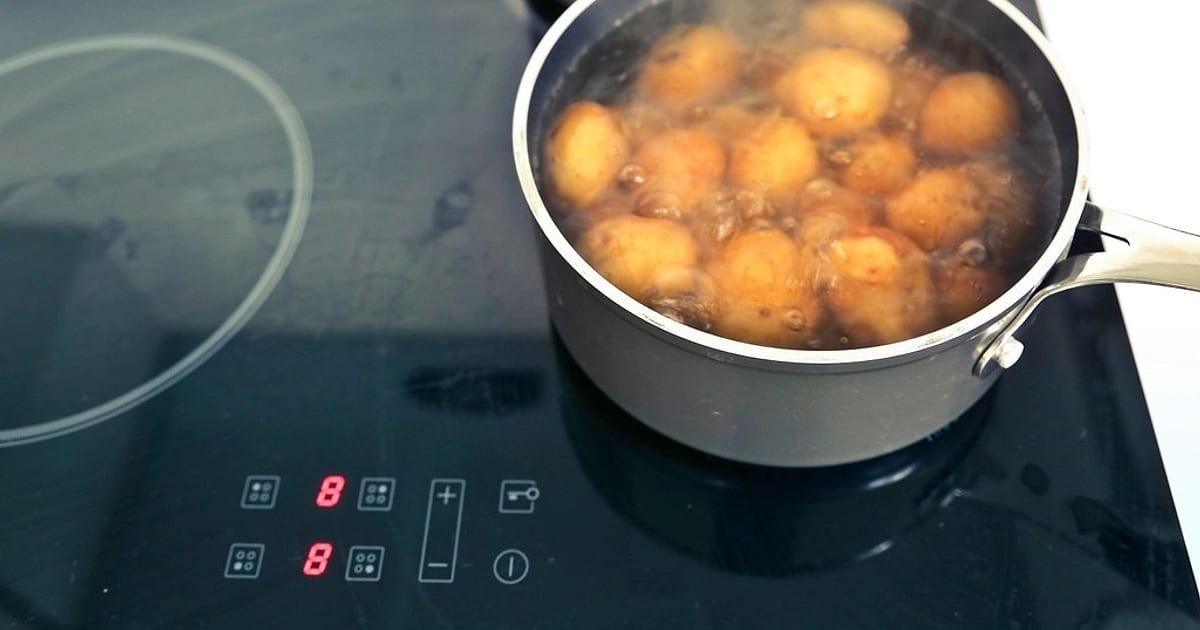
- Heat slowly. Start on low or medium and give the pot a few minutes. Cast iron heats gradually.
- Do not leave it empty on a high flame. Empty heavy cookware overheats fast.
- Lift, do not slide it on glass. Sliding a rough base across an induction top can scratch the surface.
Cooking tips that make the difference
- Preheat gently, then add ingredients. A pot that is warm all the way through cooks more evenly.
- Keep the heat low once the lid is on. Dutch ovens hold heat well, so a gentle flame is enough. A fierce flame only scorches the bottom.
- Open the lid less. Each peek lets steam out. Look only when you need to.
- Use wooden or silicon tools. They are kind to the seasoning. The Silicon Sleeve Set is designed to cover hot handles, including those of a Dutch oven.
- Go easy on very sour dishes in the first weeks. Cook drier, oilier food first so the seasoning builds up. Our article on whether cast iron cooking is healthy explains sour foods in more detail.
- Serve and move leftovers. Do not store curry in the pot overnight.
Looking after your Dutch oven
RIVEDA cast iron comes pre-seasoned, so you can cook in it soon after it arrives. Care is simple.
- Wash it while it is still warm with hot water and a soft brush or sponge. Go light on soap.
- Dry it fully at once. Wipe it, then warm it for a minute on the stove. Water left behind is what causes rust.
- Rub on a thin film of oil while it is still slightly warm, including the rim where the lid sits.
- Dry the lid separately and store the pot with a paper towel or cloth between the lid and the body, so air can get in.
If you spot an orange patch, do not panic. Remove rust from cast iron shows how to fix it, and our care guide has the full routine. Our page on seasoning explains how to build the surface up over time.
Is a Dutch oven right for you?
Buy one if you often cook dal, rajma, mutton, biryani or slow curries, or if you want a pot that goes from the stove to the table. Skip it if you mostly make quick stir-fries and rotis. A tawa and a kadai will serve you better.
For most Indian kitchens, the Dutch oven is the pot for the slow, patient dish. See our Dutch oven range or ask us on WhatsApp if you are unsure.
Shop the Dutch Oven
Frequently asked questions
Is a Dutch oven the same as a handi?
No, but they do a similar job. A handi is a traditional Indian pot with a narrow mouth, often sealed with dough for dum cooking. A Dutch oven is a wider cast iron pot with thick walls and a heavy lid. Both cook food slowly in trapped steam.
Can I make dum biryani in a Dutch oven?
Yes. A heavy, snug lid is what dum cooking needs. Layer the biryani, cover with the lid, and cook on the lowest flame. If you like, seal the rim with a rope of dough or a strip of foil for extra tightness.
Do I need an oven to use a Dutch oven?
No. Despite the name, you can use it on a gas stove or induction hob like any other pot. Most Indian cooking in a Dutch oven happens on the hob. Ask us on WhatsApp before using it inside an oven.
How full can I fill a 24 cm Dutch oven?
A good habit is to fill it about two-thirds, so liquid can bubble gently without spilling and the lid sits properly. For a bigger gathering, cook in two rounds rather than overfilling.
Can I cook tomato or tamarind dishes in it?
Yes, once the pot has built up some seasoning. Cook, serve and move leftovers to another container. Very sour food simmered for hours in a new pot can strip the seasoning and taste metallic.
Is a Dutch oven better than a pressure cooker?
They do different jobs. A pressure cooker is faster. A Dutch oven is slower, but it browns, simmers, bakes and serves from one pot, and it holds heat after the flame is off. Many kitchens keep both.
Sources
- Cast-iron cookware — Wikipedia
- Dum pukht — Wikipedia
- How Lucknow became one of India's greatest food cities — CNN Travel
- Nawabi Legacy of Splendour and Culture — Sahapedia
- Bread baking in a Dutch oven — King Arthur Baking
- Steam in Bread Baking: Why It Matters — Jay Arr Bread
- How to Braise — Blue Jean Chef
Pictures: cast-iron-dutch-oven.jpg (cover) — tuchodi, CC BY 2.0; old-dutch-oven.jpg — Dvortygirl, CC BY 2.0; dutch-oven-loaf.jpg — timlewisnm, CC BY-SA 2.0; layered-biryani.jpg — easycooking, CC BY 2.0.
Follow the RIVEDA blog
One short email a week with new articles — cast iron cooking, care and recipes for Indian kitchens. No spam; unsubscribe in one click.