
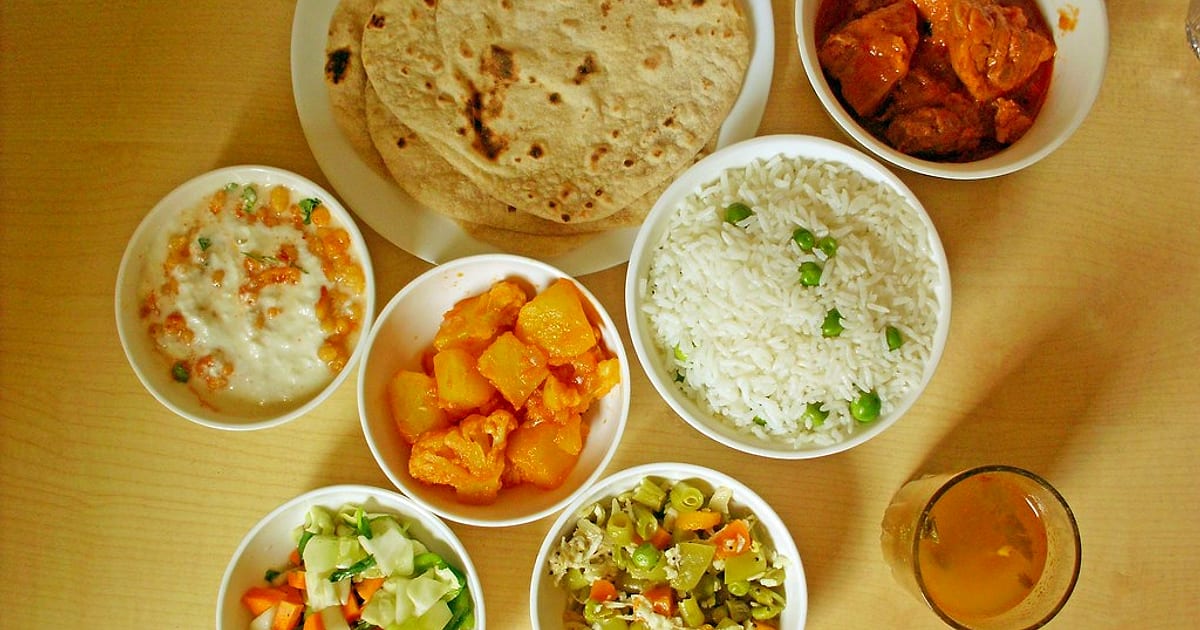
Cast iron cookware is one of the best fits for Indian kitchens: it holds steady heat for dosas and rotis, browns parathas evenly, and lasts for decades when it is dried and oiled after washing. This guide covers what cast iron is, which pieces suit which dishes, how heavy they are, how they behave on gas and induction, and how to start a set without buying more than you need.
What cast iron cookware actually is
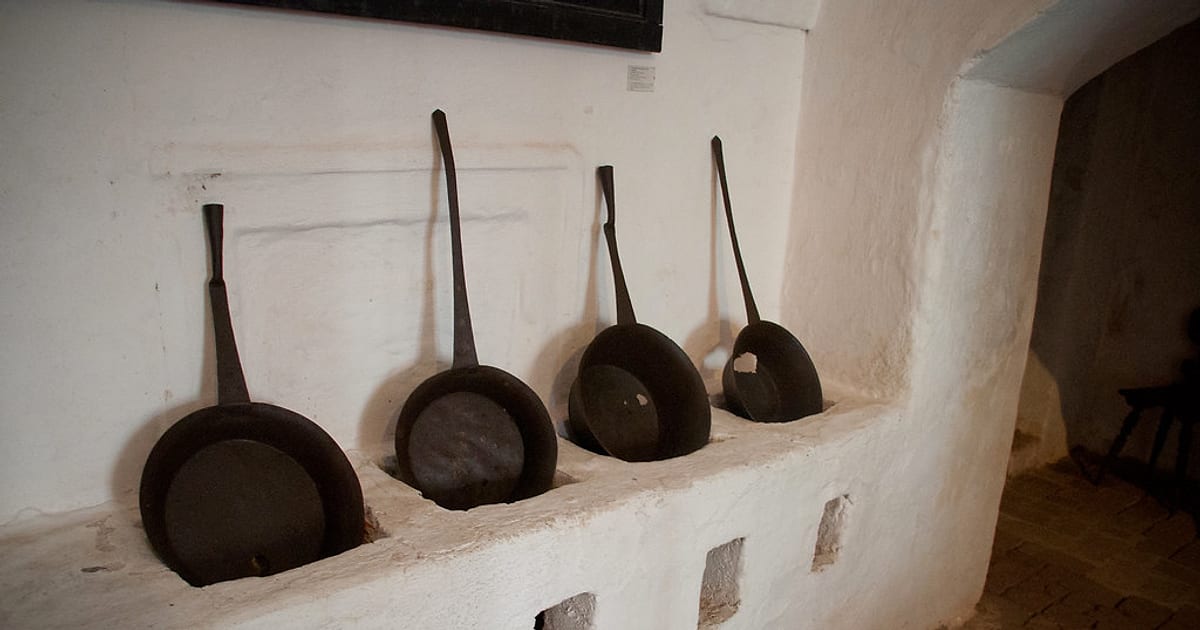
Cast iron is molten iron poured into a sand mould and left to set. The result is a thick, solid piece of iron with no synthetic coating bonded to the surface. That thickness is what makes it cook differently from a thin aluminium or steel pan.
A cast iron pan takes a few minutes to warm up, and then it stays warm. When cold batter or dough touches it, the temperature does not crash, so food sears and crisps instead of steaming. This is also why you will usually cook on a lower flame than you expect.
The cooking surface is protected by seasoning: a thin layer of oil heated onto the iron until it hardens into a smooth, dark finish. Seasoning is not a factory coating. It builds up every time you cook with a little oil and care for the pan, and it can be repaired at home if it wears back. Our seasoning guide explains it step by step.
Why Indian cooking suits cast iron
Many everyday Indian dishes depend on a surface that stays hot while you work. Cast iron does this naturally.
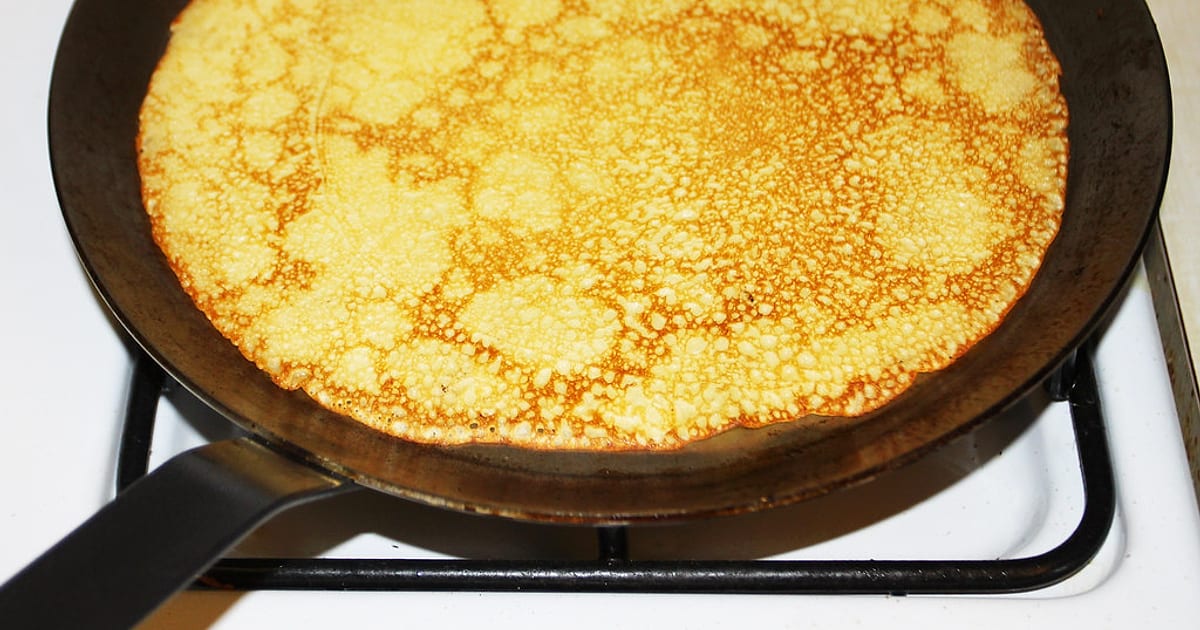
- Dosa and uttapam need an evenly hot surface so the batter spreads thin and crisps at the edges.
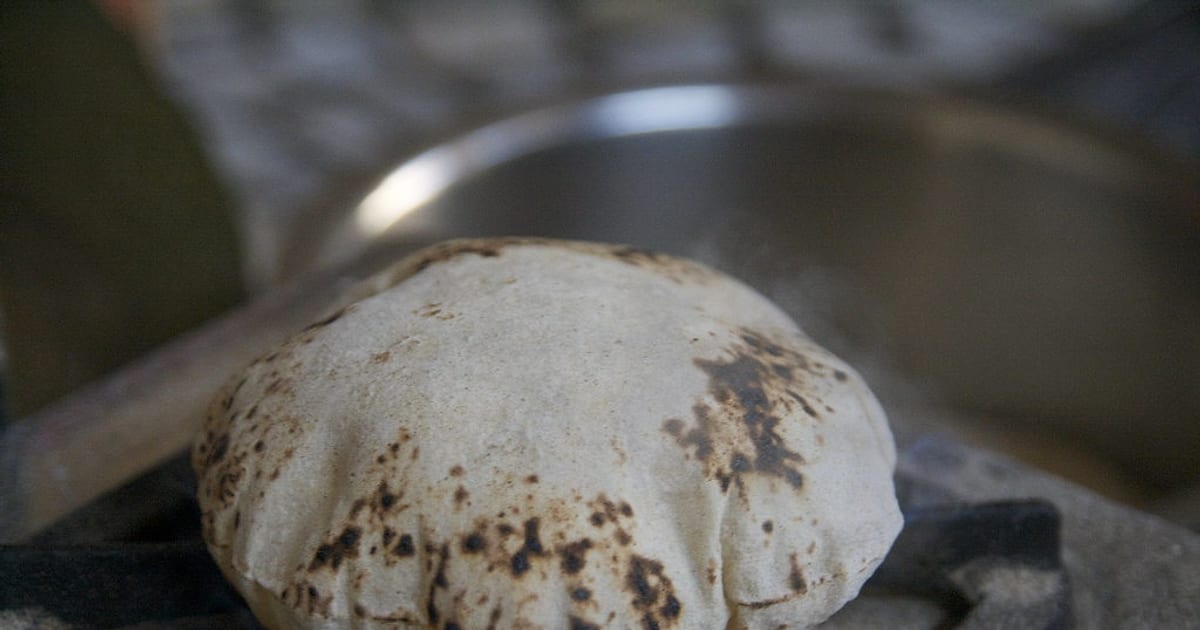
- Roti, phulka and paratha need a dry, steady heat that puffs the dough and leaves even brown spots.
- Tadka needs oil that reaches temperature quickly and holds it when the mustard seeds and curry leaves go in.
- Sabzi and dry vegetables brown better in a heavy kadai, because the base does not cool down when the vegetables are added.
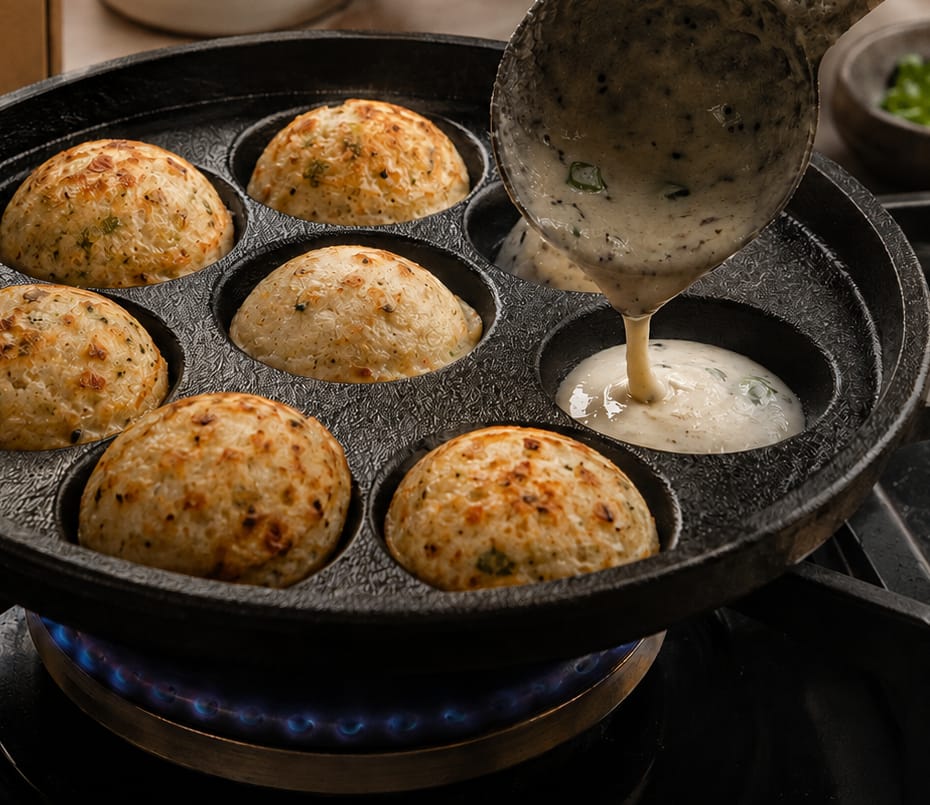
- Appam and paniyaram cook through evenly in thick, deep rounds that hold heat around the batter.
Cast iron is also forgiving of the long, gentle cooking that many home recipes rely on. Once the pan is hot, a low flame is often enough.
The main types of cast iron cookware
You do not need every shape. Start with the pieces that match what you cook most. Here is what each one is for.
Tawa
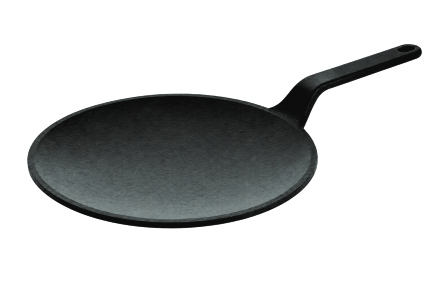
The tawa is the workhorse of an Indian kitchen. Roti tawas tend to be smaller and lighter, while dosa tawas are wider for spreading batter. The Cast Iron Roti Tawa 22 CM is a compact, light tawa for everyday rotis and phulkas, and the Cast Iron Long Handle Dosa Tawa 30 CM is made for crisp dosas, spread thin and lifted clean. Our cast iron tawa guide goes through sizes, surfaces and handles in detail.
Kadai
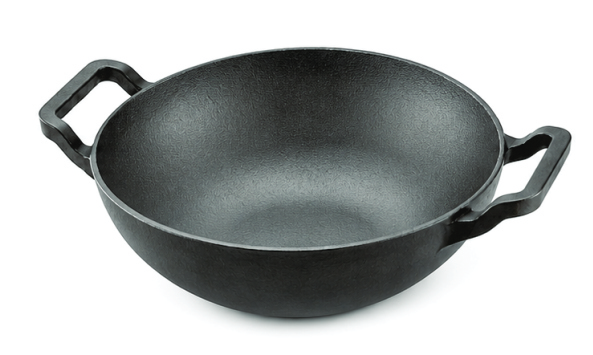
A cast iron kadai is deep, heavy and steady, which makes it good for sabzi, dry curries, deep frying and anything that starts with onions and masala. The Cast Iron Kadai 27 CM is the everyday family size; smaller and larger sizes are in the kadai range.
Fry pan
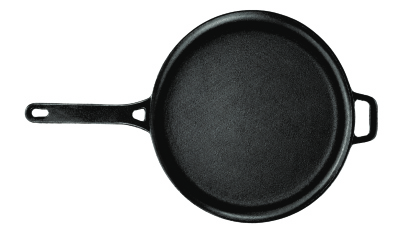
A cast iron fry pan handles eggs, paneer, shallow-fried cutlets, toast and roasting spices. Smaller pans heat quickly and are easy to lift for one or two people; larger ones give room for a family breakfast. See the fry pans.
Appam pan
An appam or paniyaram pan has deep rounded pits. The thick iron keeps the centres soft while the outside turns golden. Pans with 7, 9 and 12 pits are in the appam pan range.
Dutch oven
A Dutch oven is a heavy pot with a lid, made for slow cooking: dal, rajma, biryani on dum, stews and even bread. It holds heat for a long time after the flame is turned off. See the Dutch oven.
Griddle
A 2-in-1 griddle has grill ridges on one face and a flat tawa on the other. The ridges are useful for grilled sandwiches, paneer tikka and vegetables; the flat side works as a regular tawa. It is a good choice if you want one piece to cover two jobs.
Pre-seasoned vs raw cast iron
Cast iron is sold in two broad forms.
| Raw (unseasoned) | Pre-seasoned | |
|---|---|---|
| Out of the box | Grey, dry iron | Dark, oiled surface |
| Before first use | Must be seasoned at home | Wash, dry and oil lightly |
| Rust risk at the start | High until seasoned | Lower, but still needs drying |
| First few weeks | More effort | Ready for forgiving dishes |
A raw pan has to be seasoned in several rounds before it is ready to cook on. A pre-seasoned pan has already had that first layer built on it, so you can start with simple, oily dishes soon after unpacking. Either way, seasoning keeps improving with use. A pre-seasoned pan is not “finished”; it is simply a better starting point.
Every RIVEDA piece is cast and finished at our own foundry in Rajkot and supplied pre-seasoned, so the first week is about cooking, not preparing the pan.
Weight: what to expect and how to choose
Cast iron is heavier than aluminium or steel, and that weight is part of why it cooks so well. But the right weight depends on who will be lifting the pan every day.
As a guide, our lightest roti tawa weighs 1.5 kg, most 30 cm dosa tawas sit between 2.2 and 2.8 kg, and a large 31 cm kadai or a 24 cm Dutch oven is around 3.6 kg. A few practical points:
- If you flip rotis by lifting and tilting the tawa, choose a lighter size.
- Two side handles make a heavy tawa or pan easier to carry with both hands.
- A long handle gives leverage when you are spreading dosa, but holds the weight further from your wrist.
- Heavier pieces hold more heat, which helps when you cook many dosas or rotis in a row.
Silicon grips and sleeves make hot handles easier to hold; see the accessories.
Cast iron on gas and induction
Cast iron works on both gas stoves and induction cooktops, because iron is magnetic.
On gas, use a medium flame to preheat and let the heat spread for a few minutes. A high flame concentrated in the centre can make the middle much hotter than the edges, which you will notice as uneven dosas.
On induction, the pan heats quickly where it touches the coil, so start at a medium setting and give it time to even out. Lift the pan instead of dragging it across the glass, and always follow your hob maker’s guidance on base size and maximum weight.
On either stove, avoid heating an empty pan on full power for a long time, and never pour cold water into a very hot pan.
Care basics that keep cast iron going for years
Cast iron is not difficult. It simply responds to consistent habits.
- Wash with warm water and a brush while the pan is still slightly warm. A little mild soap is fine.
- Dry completely, straight away: cloth first, then a short time on a low flame until no moisture remains.
- Oil with a very thin film, wiped on and then wiped back so the pan looks barely oiled.
- Store somewhere dry and ventilated, not sealed in a damp cupboard.
During the monsoon, humidity makes drying even more important. If you stack pans, put a cloth or paper sheet between them.
Avoid soaking, the dishwasher, air-drying on a rack and leaving food in the pan overnight. A steel scrubber is fine for stuck-on bits or light rust, but follow it with drying and oiling. If rust does appear, it can be scrubbed off and the surface rebuilt; our care page explains how.
About acidic food: once a pan is well seasoned, a tomato sabzi or a short simmer with tamarind is fine. Avoid simmering very acidic dishes for hours in a new pan, as this can strip young seasoning and give a metallic taste.
How to start your cast iron set
The most useful advice is to start small. One pan used every day teaches you more than five used occasionally.
- If you make rotis most days: start with a roti tawa.
- If dosa is a weekly ritual: start with a 30 cm dosa tawa.
- If your cooking is mostly sabzi and curries: start with a kadai sized for your family.
- If you want two pieces: a tawa and a kadai cover most of an Indian menu.
Cook forgiving, slightly oily dishes for the first week: parathas, tadka, sautéed vegetables, a fried egg. Avoid delicate items until the surface has had a few rounds of cooking. If something sticks, preheat a little longer and use a little more oil. Our first-time buying guide goes into more detail on what to check before you buy.
Getting started with RIVEDA
If you are building your first cast iron set, a tawa and a kadai are the place to begin. The Cast Iron Long Handle Dosa Tawa 30 CM, the Cast Iron Kadai 27 CM and the Cast Iron Roti Tawa 22 CM cover most daily cooking, and every RIVEDA piece arrives pre-seasoned from Rajkot. Browse the full shop, read why cast iron is worth it, or keep the cooking guide open for your first few meals.
Shop this article
Frequently asked questions
Is cast iron cookware good for Indian cooking?
Yes. Cast iron holds heat well, which suits dosas, rotis, parathas, tadka and slow-cooked sabzi. Once the seasoning builds up, it also needs only a little oil to release food.
Can I use cast iron cookware on an induction stove?
Cast iron is magnetic, so it works on induction as well as gas. Always follow your hob maker's guidance on base size and maximum weight, and lift pans rather than sliding them across the glass.
Can I wash cast iron with soap?
A little mild soap is fine. What harms cast iron is leaving it wet, soaking it for long periods or putting it in a dishwasher. Dry it straight away on a low flame and wipe on a very thin film of oil.
Does cooking in cast iron add iron to food?
Cast iron can add some iron to food, especially acidic dishes cooked in it. If you have a medical condition such as haemochromatosis, talk to your doctor before cooking in cast iron regularly.
Why is my new cast iron pan sticking?
Usually the pan was not preheated long enough or there was too little oil. Preheat gently on medium for a few minutes, use a little more oil for the first few weeks, and let food settle before you move it.
Pictures: cast-iron-cookware-india-guide.jpg (cover) — Mr Thinktank, CC BY 2.0.
Follow the RIVEDA blog
One short email a week with new articles — cast iron cooking, care and recipes for Indian kitchens. No spam; unsubscribe in one click.