
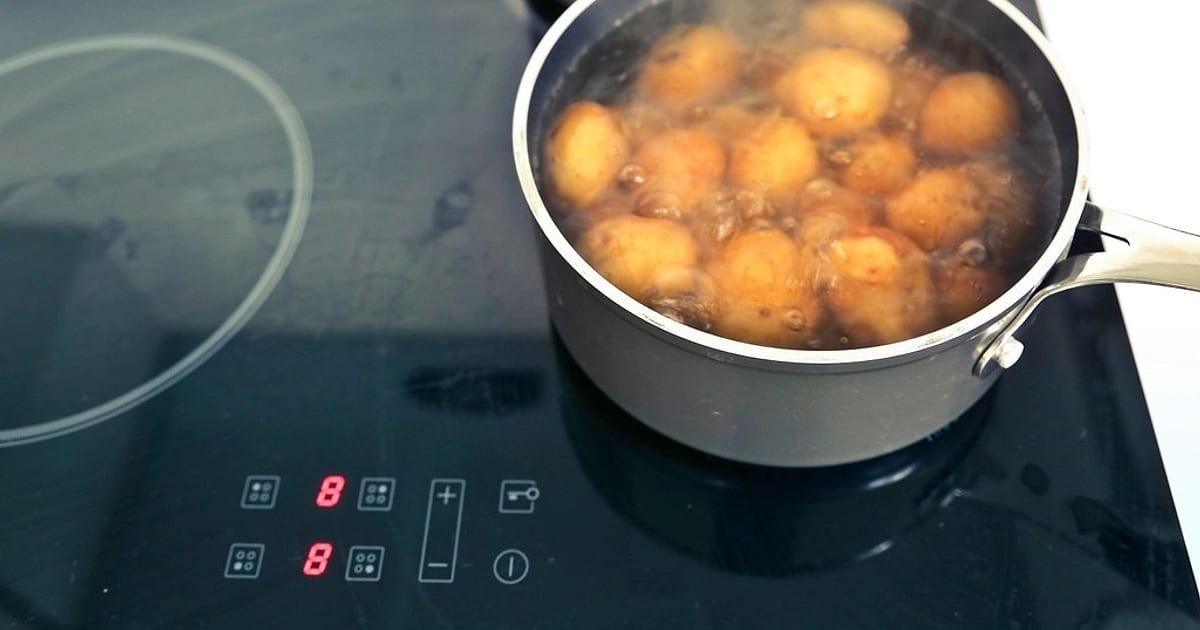
Yes, cast iron works on induction. Induction cooktops heat pans that a magnet sticks to, and iron is exactly that kind of metal. So your tawa, kadai or fry pan can go on an induction plate just as it goes on a gas flame. There are only a few things to watch: the bottom of the pan, the size of the zone, how fast you heat it, and how you put it down on the glass.
The day the induction plate arrived
Picture this. A new induction cooktop is installed, and the old kadai gets its first turn. Someone switches it on, nothing happens, and the plate beeps. “Maybe it does not like iron,” says someone. In fact it is the other way round. A pan that does not work on induction is usually aluminium, copper, glass or a clay pot. Iron is one of the metals that induction likes best.
If you have heard that cast iron is “bad for induction” or “will crack the glass”, this article will separate the facts from the fears. We will keep it short and practical, and it comes down to four rules you can remember.
Why iron heats on induction
A gas flame heats the pan from outside. Induction works differently, and the pan itself becomes the source of heat.
Under the glass there is a coil of copper wire. When the cooktop is on, the coil creates a changing magnetic field just above the glass. If a magnetic pan sits there, the field makes small electric currents flow inside the metal of the pan’s base. As those currents move through the metal, it warms up. That is how the heat is made, as described in the general account of induction cooking.
Three things follow from this, and they explain most of what people notice:
- The glass itself does not make the heat. It warms only because the hot pan sits on it. That is why the glass is much cooler than a gas burner or an electric coil, but not cold. Treat it as hot after cooking.
- Only magnetic metal works. Copper, aluminium, glass and ceramic pans usually do not heat on induction unless they have a special magnetic base. Cast iron has no such problem, because the whole pan is iron.
- Good contact matters. The nearer the base is to the glass, the better the pan picks up the field. A warped or bumpy base is the usual reason for poor results.
Rule 1: do the magnet test
You do not need to be sure from memory. Test your pan in ten seconds.
- Take an ordinary fridge magnet.
- Hold it against the bottom of the pan, at the centre and near the edge.
- If it sticks firmly, the pan will work on induction. If it only clings weakly or slides off, it may not heat well.
A simple magnet test works. A cast iron pan passes it. Do the test on the whole base, because some pans, mostly steel ones with a thin plate added underneath, have a magnetic patch only in the middle.
Many induction cooktops also show a small pan symbol or beep when they cannot find a pan. If that happens with your cast iron, it is almost never about the iron. Look at Rule 2.
Rule 2: check the base is flat, clean and big enough
Induction does not forgive a poor fit. Check three things.
Is the base flat?
Put the pan upside down on a table and press it gently at the edge. It should not rock. You can also lay a steel ruler across the base and look for light underneath. A small gap is normal on a rough casting, but a base that rocks or has a large dip may touch the glass in only one place. That gives patchy heat and can make the pan rattle or hum.
Pans can also warp over time if they are heated very hard and then cooled suddenly. We come back to that under Rule 4.
Is the base clean?
A cast iron base is not as smooth as a steel one. Salt, sugar, dried batter, sand-like grit or old burnt oil stuck to the bottom can scratch the glass when the pan is moved. Wipe the base with a dry cloth before each use and wipe the glass too. This is the cheapest scratch protection there is.
Is the base big enough for the zone?
Every cooktop has a minimum pan size for each zone. It is set by the maker and varies between brands. Many induction hobs need a minimum base size, so check your hob’s manual, and centre the pan on the marked ring. Your own manual is the authority.
This matters in Indian kitchens, because many of us cook with a small tadka pan or a small tawa. If your pan is small, use the smaller zone on your cooktop. If your pan is very large, remember that it may overhang the ring. That can cause hot spots on the pan and leave the edges cooler.
All RIVEDA cast iron cookware works on gas and induction. As with any cookware, follow your hob maker’s guidance on base size and weight.
Rule 3: lift it, do not slide it
Most cast iron stories about scratched glass come from one habit, which is dragging the pan across the cooktop. The pan is heavy, the base is rougher than glass, and a single grain of grit under it works like sandpaper.
A few easy habits stop this:
- Lift, then place. Pick the pan up with both hands and set it down in one smooth movement. Do not drop it.
- Do not slide it to the next zone. If you want to move it, lift it.
- Do not shake a pan on the glass. When you toss dosas or flip a roti, hold the handle steady.
- Keep the glass clean. Wipe spills, sugar and oil before they bake on.
- Keep the base dry. A wet base on a hot plate spits and steams. A dry base sits quietly.
In general, the damage people report is mostly from dragging and from grit, not from the iron itself.
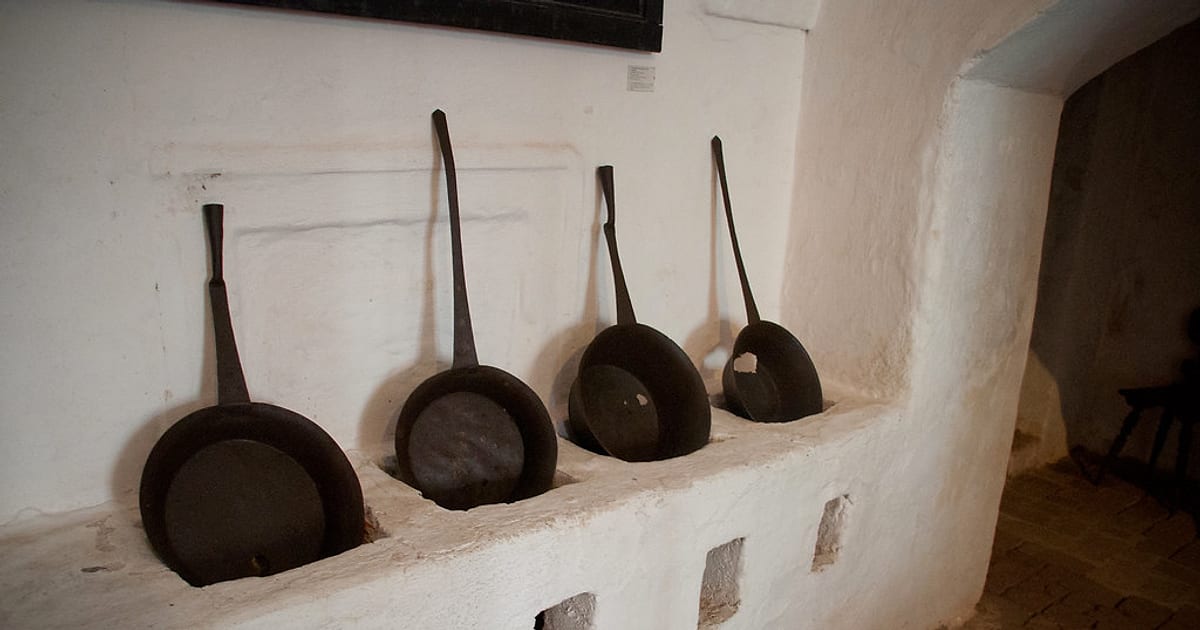
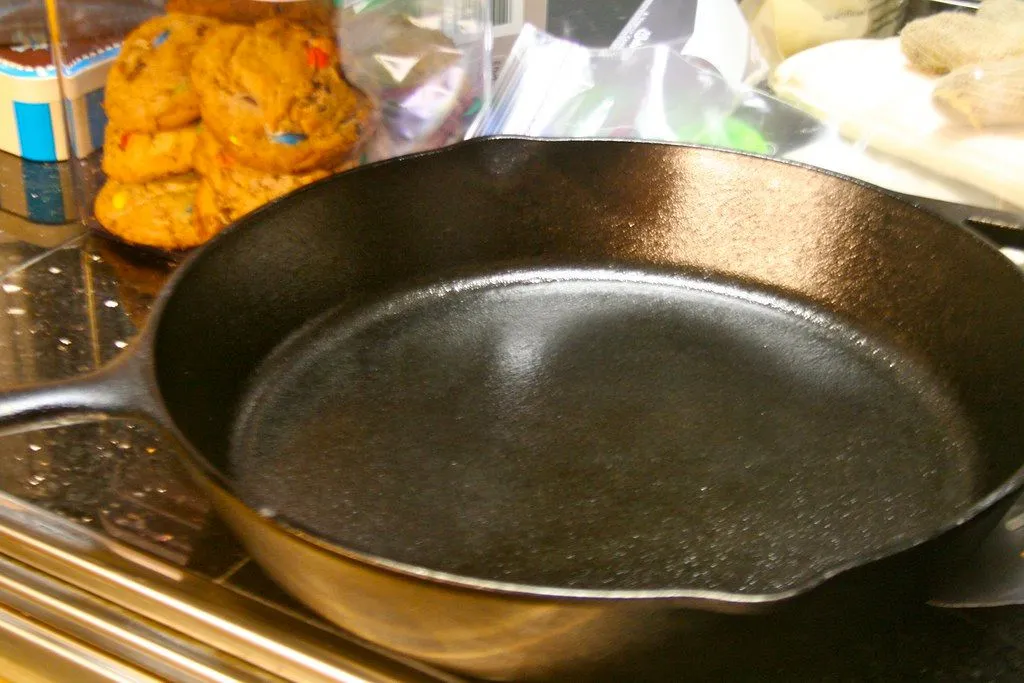 A seasoned cast iron skillet. The dark finish is cooking oil baked onto the iron. Photo: jimw, CC BY 2.0.
Worried about the weight? Cast iron is heavy, and glass is glass. Most cooktops are built to carry the weight of a full pot, but makers give different limits. Look up the weight guidance for your cooktop. For example, a Cast Iron Dutch Oven 24 CM weighs 3.6 kg on its own, before dal or biryani goes in, so it is worth knowing your plate’s limit and using two hands.
Rule 4: start low and heat slowly
Cast iron is slow to warm up and slow to cool down. Induction is the opposite: it can heat a pan very fast. If you put the highest power under a cold iron pan, the base can get far hotter than the sides, and the pan may not heat evenly. Sudden strong heat can also stress the metal.
Here is a simple way to cook with it:
- Place the cold pan on the right zone, centred.
- Start on a low or medium setting. Power levels are different on every cooktop, so use your manual. As a starting point, several guides suggest low to medium for the first few minutes.
- Wait a few minutes. Let the whole pan warm up. Test with a few drops of water on a tawa. They should dance and vanish, not boil away at once.
- Raise the power only if the recipe needs it. For a dosa or a roti, medium is often plenty once the iron has stored heat. For searing, go up a little, then come back down.
- Turn the power down before you finish. Cast iron keeps cooking for a minute after you switch off.
Because induction reacts the moment you change the setting, you do not need to leave the highest setting on while you wait. Cast iron holds heat well, so a lower setting usually works once the pan is hot.
There is one more reason to go slowly. A pan that gets very hot and then meets cold water can warp. So never pour cold water onto a hot pan, on any stove. Let it cool a little first.
What to expect from the cooktop
- A faint hum or buzz at higher power is common and comes from the electronics and the pan. Cast iron is often quiet because of its weight, but a small sound is normal.
- A loud rattle points to a warped base. Check it as in Rule 2.
- A beep or a flashing pan symbol means the cooktop cannot find a pan. Centre the pan, check the zone size, and try the magnet test.
Which pans suit induction best
Any cast iron works. Some shapes are simply easier on a flat plate, and some suit the cooktop’s zone size better.
A smooth-surface tawa for dosas. The RIVEDA Cast Iron Double Handle Smooth Dosa Tawa 30 CM weighs 2.2 kg and has two side handles, which makes it easy to lift with both hands. That helps with Rule 3. A 30 cm pan is wide, so check that it sits well on the zone you plan to use. To read more about choosing tawas, see our cast iron tawa guide and the article on the best dosa tawa in India.
A small fry pan for everyday cooking. The Cast Iron Fry Pan 21 CM weighs 1.6 kg, so it is easy to lift. It heats quickly on induction, which suits eggs, tadka and a small sabzi. Its smaller base is a good match for a small zone.
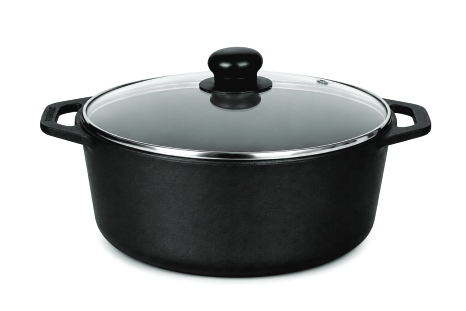
A lidded pot for slow cooking. The Cast Iron Dutch Oven 24 CM is designed for dal, stews and bread. Cast iron holds heat well, so once it is hot you can usually turn the power down. Because it is heavy when full, lift it with both hands and keep the base clean.
If you are choosing your first piece, our cast iron buying guide for first-time buyers helps you decide what to buy first. The cast iron cookware guide for India gives the bigger picture.
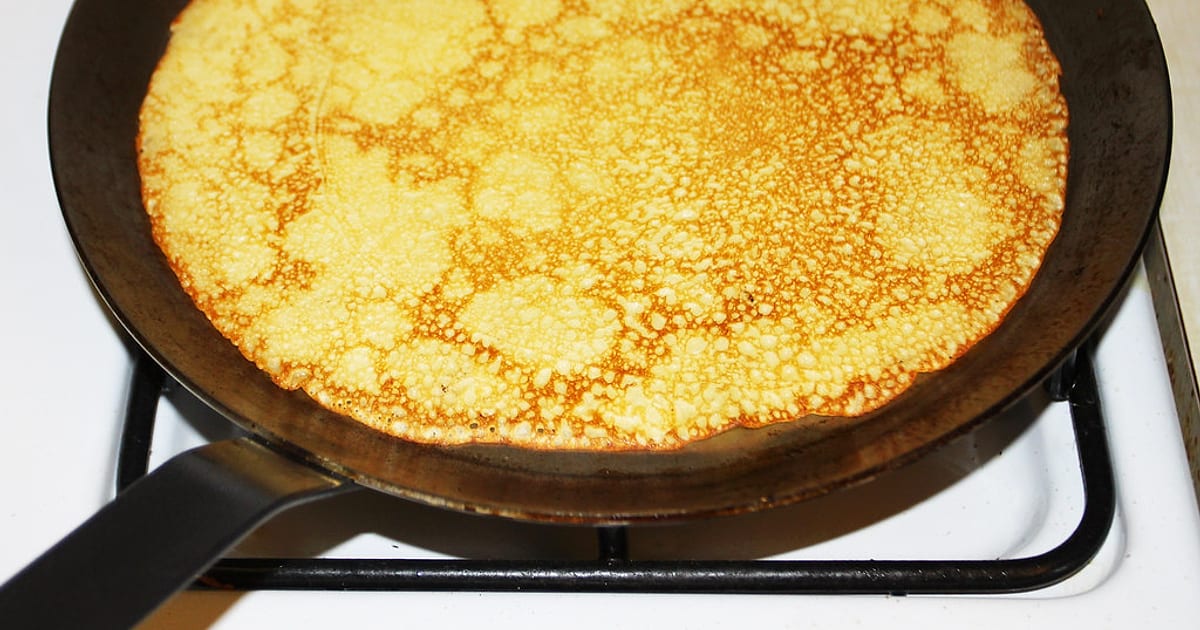
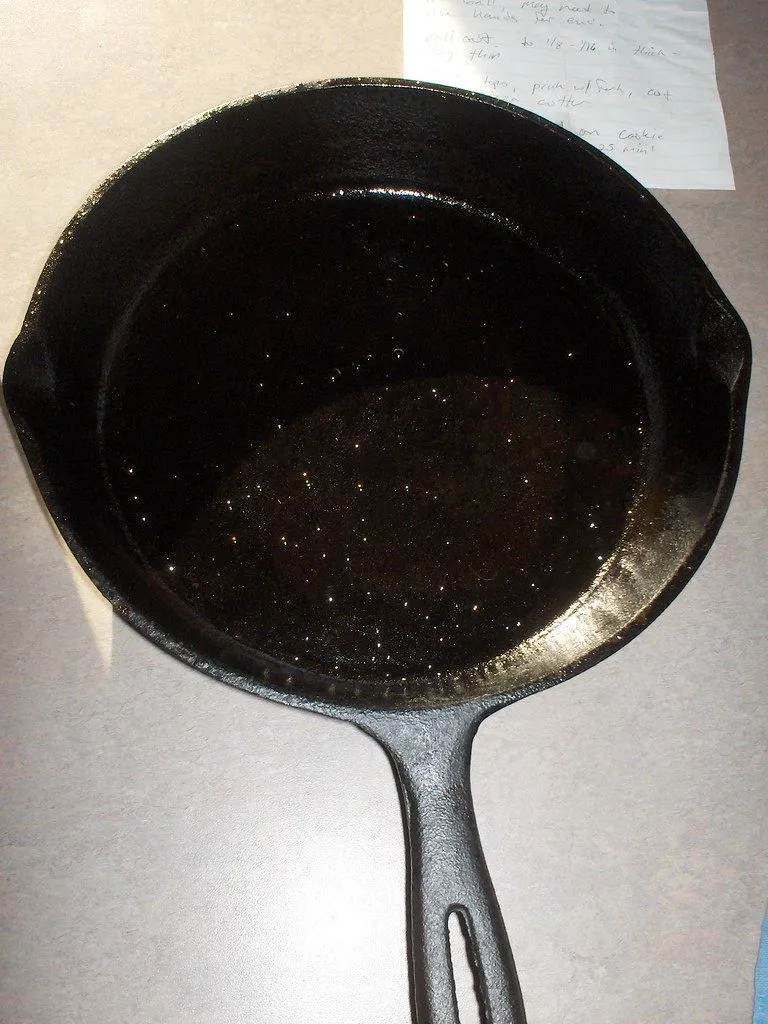 A cast iron skillet with a thin film of oil on its surface. Photo: arifm, CC BY 2.0.
Looking after cast iron when you cook on induction
Care is the same as on gas, with two extras.
- Season as usual. Our pieces are supplied pre-seasoned, and the seasoning builds with use. Keep going with the steps in how to season a cast iron tawa and our seasoning guide.
- Dry the base as well as the inside. Moisture on the bottom of the pan can lead to rust, and rust makes the base rougher. If you do see orange patches, see how to remove rust from cast iron.
- Wipe the base before each use. This is the scratch rule again. It takes five seconds.
- Let the pan cool before washing. Hot iron meeting cold water is the quickest way to harm a pan. The care page has the full routine.
Myths and a quick checklist
Common myths, answered
“Cast iron will crack the glass.” Glass tops can be damaged by impacts, by dropping a heavy pan, and by scratches from grit. Careful placing avoids all of these. Heavy cookware is common on induction.
“Cast iron heats unevenly on induction.” It can if the base is warped, if the pan is too big for the zone, or if you heat it too fast. Heating slowly and using the right zone gives much better results.
“Induction makes cast iron lose its seasoning.” No. Seasoning is oil bonded to the iron. It stays on whether you cook on gas, induction or an electric coil. Very sour food cooked for a long time, or harsh scrubbing, wears it, not the stove.
“I need special induction cast iron.” No. Ordinary cast iron is magnetic. What counts is a flat, clean base and the right size for the zone.
Quick checklist before you cook
- Magnet sticks firmly to the whole base.
- Base is flat and does not rock.
- Base and glass are clean and dry.
- Pan is centred on a zone that is not too small.
- You have started on low or medium.
- You will lift the pan, not slide it.
The short answer
Cast iron works well on induction. It is magnetic, so the cooktop can heat it directly, and it holds that heat for dosas, rotis, sabzi and slow cooking. Follow the four rules: test with a magnet, check the base, lift and do not slide, and heat slowly. Always read your hob maker’s guidance on base size and weight.
If you are ready to try, look at the smooth dosa tawa, the fry pan and the Dutch oven above, or browse the whole shop and the cooking guide. Have a question about your cooktop? Message us on WhatsApp at +91 90999 29629 and we will help.
Shop this article
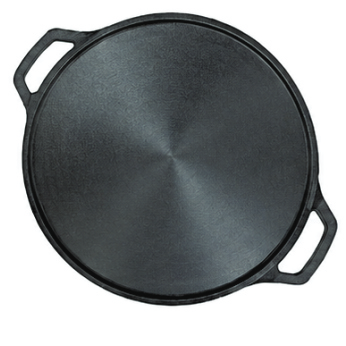
Cast Iron Double Handle Smooth Dosa Tawa
30 CM · 2.2 KG₹1,099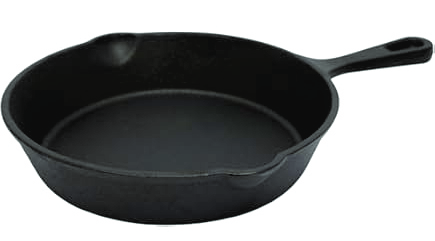
Frequently asked questions
Will a cast iron tawa work on an induction cooktop?
Yes. Cast iron is made of iron, which is magnetic, so an induction cooktop can heat it. Check that your cooktop's zone is not smaller than the tawa's base allows, and follow your hob maker's guidance on base size and weight.
How do I test if my pan will work on induction?
Hold a fridge magnet to the bottom of the pan. If it sticks firmly across the base, the pan should work. If it is weak or falls off, the pan may not heat properly.
Does cast iron scratch an induction cooktop?
It can, mostly when a rough or gritty base is dragged across the glass. Wipe the base and the glass before cooking, and always lift the pan instead of sliding it.
What power level should I use for cast iron on induction?
Start low or medium and let the pan warm up for a few minutes before raising the power. Induction heats fast, and cast iron holds heat, so you rarely need the highest setting. Levels differ between cooktops, so use your manual as the guide.
Why does my induction cooktop say 'no pan' with a cast iron pan?
Usually the pan base is smaller than the zone needs, the pan is off-centre, or the pan is not magnetic enough. Centre it on the marked ring and check your cooktop's minimum pan size in the manual.
Is it safe to put a heavy cast iron pan on a glass induction top?
Heavy pans are fine if you place them gently, in one movement, and never drop them or slide them. Check your hob maker's guidance on weight, especially for a large pan full of food.
Sources
- Induction cooking — Wikipedia
- Induction experts share 6 cooking tips to unlock your induction cooking potential — Tom's Guide
Pictures: cast-iron-on-induction.jpg (cover) — rawpixel, CC0 1.0; seasoned-skillet.jpg — jimw, CC BY 2.0; oiled-skillet.jpg — arifm, CC BY 2.0.
Follow the RIVEDA blog
One short email a week with new articles — cast iron cooking, care and recipes for Indian kitchens. No spam; unsubscribe in one click.