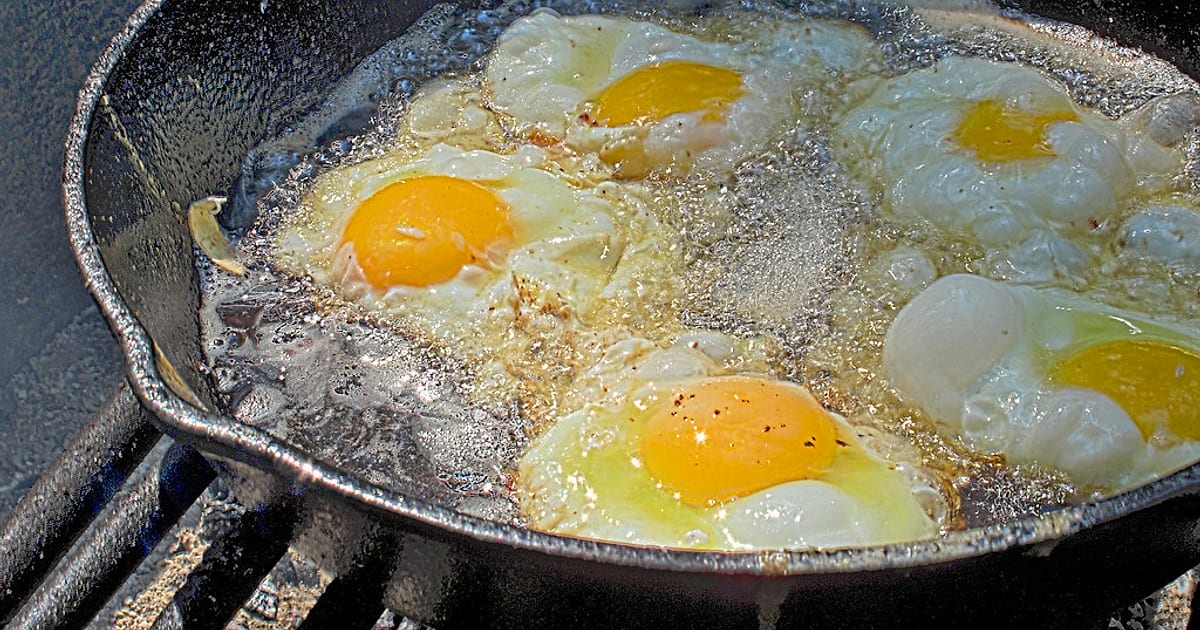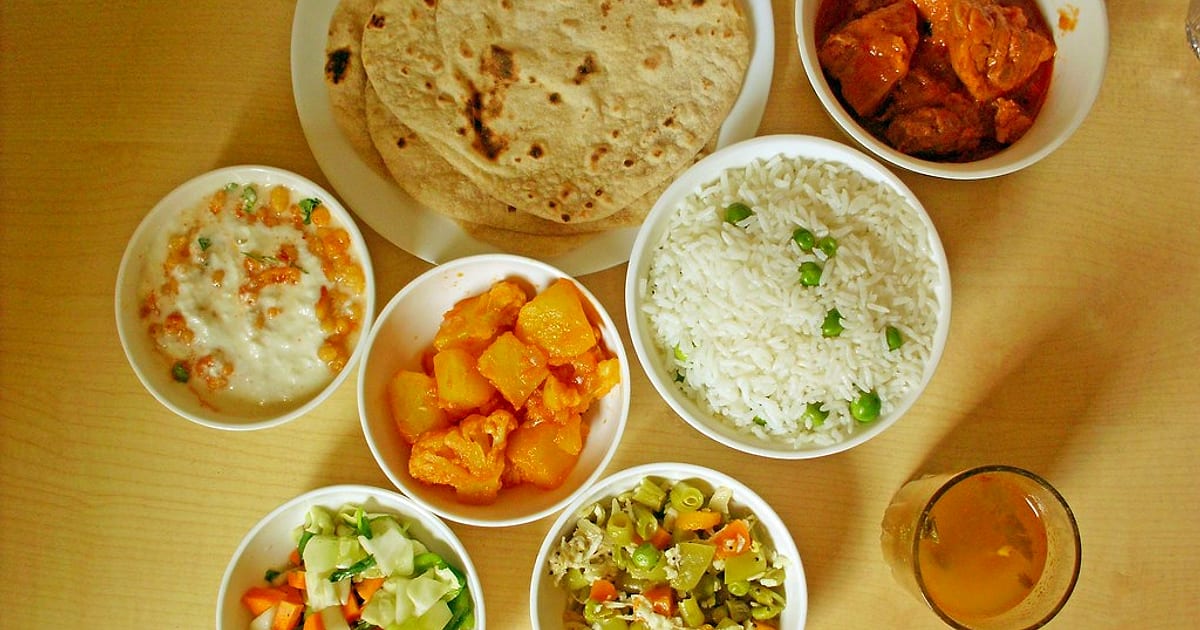
Yes, for most people cast iron is a healthy way to cook. It has no synthetic coating, a seasoned surface needs only a little oil, and it can add a small amount of iron to your food. There are a few sensible cautions too, and this article covers both sides plainly.
What cast iron actually is
Cast iron cookware is iron with a little carbon, melted and poured into a sand mould, then cleaned and finished. That is all there is to the metal. There is no plastic-like layer bonded on top, no hidden aluminium core and no coating that can wear away.
The black surface you see on a used pan is seasoning: ordinary cooking oil heated onto the iron until it hardens into a thin, slick layer. Our grandmothers’ iron tawas had exactly this, built up from years of rotis and dosas. If you want the full background on the material, our page on why cast iron covers it.
Does cast iron add iron to your food?
It can, and this is the reason many families in India have always preferred iron vessels for certain dishes. When food cooks in contact with bare or lightly seasoned iron, a small amount of iron moves into the food.
How much depends on several things:
- The food. Moist, acidic dishes take up more than dry ones.
- Cooking time. A dish that simmers longer picks up more than a quick stir-fry.
- The seasoning. A brand-new or thinly seasoned pan releases more iron than one with a thick, glossy layer built over months.
- Stirring. Frequent stirring with a metal ladle brings more food into contact with the surface.
Researchers have looked at this. A well-known study by Brittin and Nossaman, published in the Journal of the American Dietetic Association in 1986, found that cooking acidic foods such as tomato sauce in iron pans raised their iron content compared with the same foods cooked in glass. Other studies have found similar effects, though the amounts vary widely from dish to dish.
So the honest summary is this: cast iron can add some iron to your food, but you cannot count on a fixed amount. Think of it as a small, natural bonus, not a supplement. If you are concerned about your iron levels, a doctor is the right person to advise you.
Acidic Indian foods: tamarind, tomato and kokum
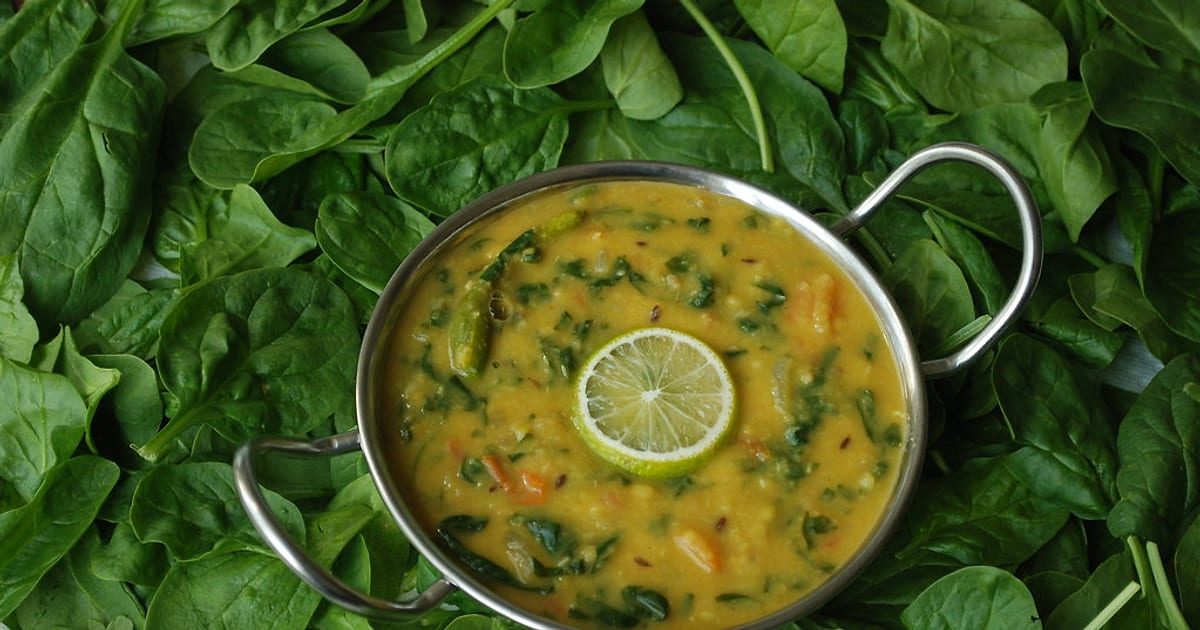
Indian cooking uses a lot of sour ingredients, and this is where people get confused. Tamarind in sambar, tomato in sabzi and dal, kokum in solkadhi and Gujarati dal, lemon squeezed into poha, raw mango in summer chutneys. Are these safe in cast iron?
What works well
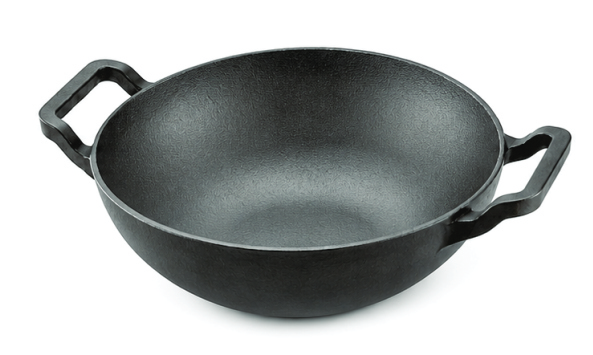
In a well-seasoned pan, everyday sour dishes are fine. A tomato-onion masala cooked in a Cast Iron Kadai 27 CM, a quick tamarind-based kuzhambu, or a sabzi finished with a squeeze of lemon will not harm the pan or the food. Cook, serve, wash and dry as usual.
What to avoid
- Long, slow simmering of very sour food in a new pan. Hours of tamarind or tomato against thin seasoning can strip it, give the food a metallic taste and turn it darker.
- Storing food in the pan. Leaving sambar or curry overnight in an iron kadai is hard on the seasoning and can affect the taste. Move leftovers to a steel or glass container.
- Using sour dishes to break in a new pan. For the first few weeks, cook drier, oilier things: tadka, roasted vegetables, parathas, appams, shallow-fried snacks. These build the seasoning that later protects it.
| Dish type | New pan (first few weeks) | Well-seasoned pan |
|---|---|---|
| Dry sabzi, tadka, parathas, appams | Ideal | Ideal |
| Tomato or tamarind masala, cooked and served | Short cooking only | Fine |
| Sambar, rasam or kadhi simmered long | Avoid | Fine for normal times |
| Storing curry overnight | Avoid | Avoid |
Less oil once the pan is seasoned
A properly seasoned cast iron surface releases food well. That means you often need only a teaspoon or so of oil where an unseasoned steel pan might need much more to stop food catching.
This shows most clearly with dishes that need a non-stick finish:
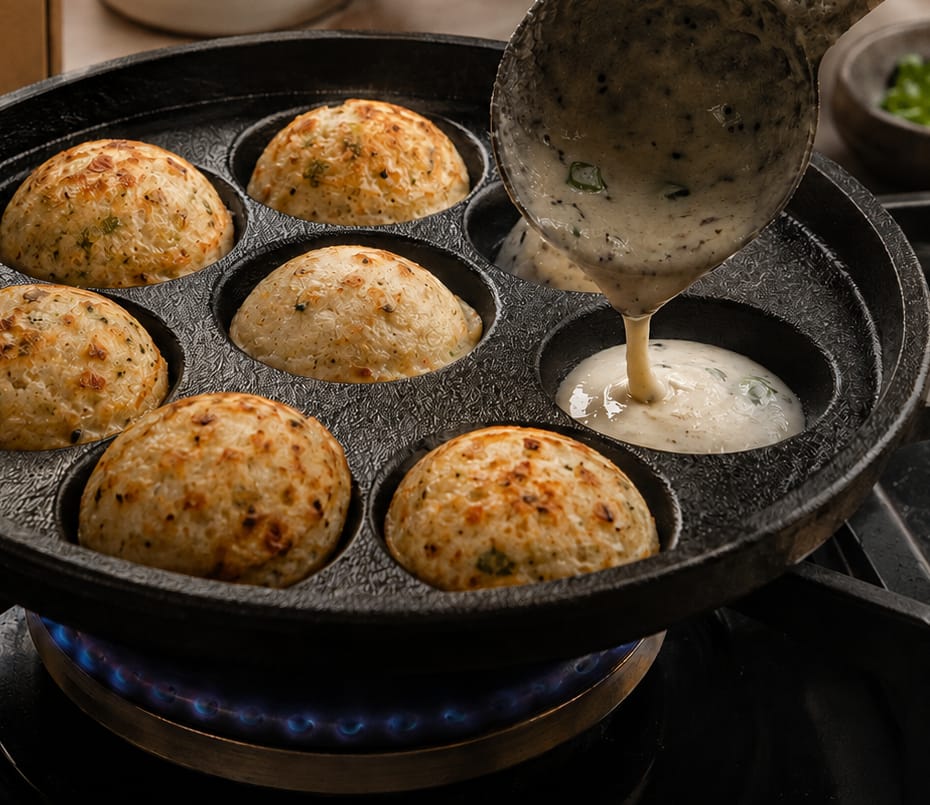
- Appams and paniyaram. In an appam pan, a light brushing of oil in each round is usually enough once the surface is seasoned. The even heat of cast iron gives a crisp outside and a soft centre.
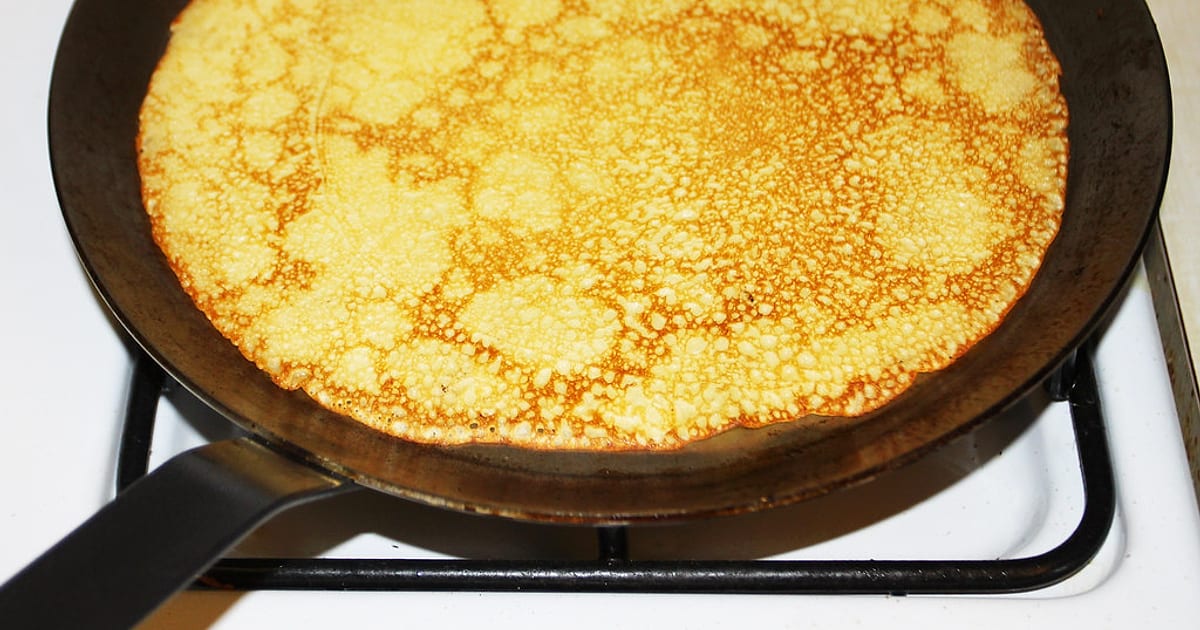
- Dosas. On a hot, seasoned tawa, a few drops of oil around the edge help the dosa lift cleanly.
- Parathas and cheelas. They brown well with a thin film of ghee or oil rather than a pool of it.
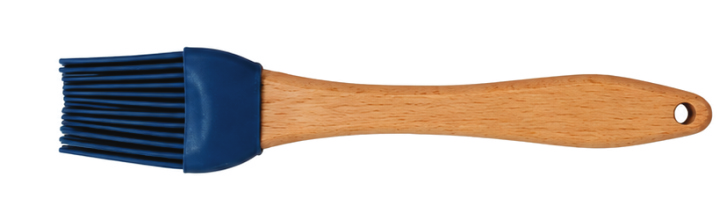
A Silicon Brush helps here because it spreads a very thin film evenly, rather than pouring oil straight from the bottle. Using less oil is a choice you make, of course. Cast iron simply makes it easier.
The catch is that this only works once the pan is seasoned and preheated properly. Food sticks to a cold or dry pan, and the usual reaction is to add more oil. Our seasoning guide and the article on how to season a cast iron tawa explain how to get there.
No synthetic coating to scratch or overheat
Many families switch to cast iron because they are tired of replacing coated pans. Non-stick pans carry a synthetic coating that is meant to be used at moderate heat with soft utensils, and it wears with time. Once it is badly scratched or peeling, most manufacturers advise replacing the pan.
Cast iron has none of these concerns:
- High heat is fine. Dosa tawas and roti tawas need a hot surface, and cast iron is designed for it.
- Scratches are not a problem. If you scrape the seasoning, you cook and oil the pan again and it rebuilds. There is no coating underneath to expose.
- It lasts. Looked after reasonably, a cast iron pan can be used for decades and handed down.
This is not about frightening anyone away from non-stick. Used as intended, both are safe. Cast iron simply removes the coating question altogether. We compare the two in more detail in cast iron vs non-stick.
Who should be careful
Cast iron is safe for most households, but a few groups should think before using it every day.
- People with haemochromatosis or other iron-overload conditions. Because cast iron can add iron to food, anyone whose body stores too much iron should talk to their doctor before cooking regularly in it.
- Anyone advised by a doctor to limit iron. The same applies. Your doctor knows your situation; a blog article does not.
- Families with small children who also take iron supplements. Supplements and diet together can add up. Ask your paediatrician if you are unsure.
For everyone else, the iron from cooking is simply part of a normal diet. Cast iron is a cooking vessel, not a treatment, and it is best thought of that way.
Keeping the surface healthy and clean
A healthy pan makes for healthier cooking. Rust, sticky old oil and food left sitting in the pan are the things to avoid. A simple routine prevents all three:
- Wash while warm with hot water and a brush. A little mild soap is fine now and then.
- Dry completely with a cloth, then put the pan on a low flame for a minute or two until every bit of moisture is gone.
- Wipe on a very thin layer of oil, then wipe most of it back off. The pan should look barely oiled, not wet.
- Store it dry in a place with air, not sealed in a damp cupboard, especially during the monsoon.
Avoid soaking the pan, leaving it to air-dry on a rack, putting it in a dishwasher, or pouring cold water into a very hot pan. If rust does appear, it is easy to fix; our guide on removing rust from cast iron walks through it, and the care page has the everyday basics.
Avoid harsh steel scrubbers for daily washing on a well-seasoned pan, as they wear the layer down faster. Keep them for stuck-on bits or rust.
Starting with the right pieces
If you are moving to cast iron for health reasons, start with the pans you use most. For many Indian homes that means a tawa for rotis or dosas, a kadai for sabzi and dal, and perhaps an appam pan for weekend breakfasts.
Every RIVEDA piece is cast and finished at our own foundry in Rajkot and comes pre-seasoned, so you can begin cooking straight away while the seasoning keeps building with use. All of them work on gas and on induction; follow your hob maker’s guidance on base size and weight. If you are unsure which piece suits your kitchen, the cooking guide and the shop are good places to look.
The short answer
Cast iron is a simple, durable and healthy way to cook for most families. It can add a little iron to food, it lets you cook with less oil once seasoned, and it has no synthetic coating to worry about. Be sensible with very sour dishes in a new pan, do not store food in it, and speak to a doctor if you have a condition that affects your iron levels.
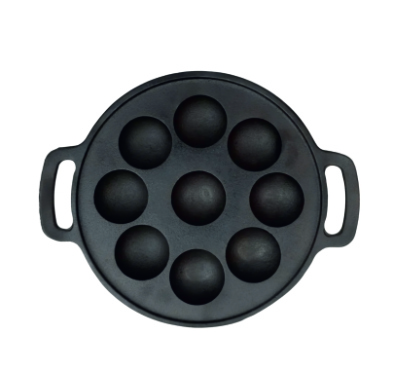
If you would like to start with breakfasts, the RIVEDA Cast Iron Appam Pan 9 PIT is our everyday family size, and the Cast Iron Kadai 27 CM covers sabzi, dal and frying. Both arrive pre-seasoned from Rajkot and only get better as you cook.
Shop this article
Frequently asked questions
Does cooking in cast iron really add iron to food?
It can add some iron, especially to moist, acidic dishes cooked for a while. The amount varies a lot with the food, the cooking time and how well the pan is seasoned, so treat it as a small bonus rather than a dependable source.
Can I cook tomato or tamarind dishes in a cast iron kadai?
Yes, once the kadai is well seasoned. A normal sabzi, sambar or rasam cooked and served is fine. Avoid simmering very sour food for hours in a new pan, and do not store it in the pan afterwards.
Is cast iron safe for people with haemochromatosis?
People with haemochromatosis or any condition that affects iron levels should talk to their doctor before cooking regularly in cast iron, because it can add iron to food.
Is cast iron healthier than non-stick?
Cast iron has no synthetic coating to scratch or overheat, and a seasoned surface needs only a little oil. Both can be used safely when used as intended; cast iron simply has fewer things to worry about over the years.
Is the black layer on cast iron safe to eat from?
Yes. The black layer is seasoning: cooking oil that has been heated until it bonds to the iron. It is the same kind of surface that builds up on a well-used iron tawa in any Indian home.
Why does my food sometimes taste metallic in cast iron?
A metallic taste usually comes from very sour food cooked too long in a pan with thin seasoning, or from food left in the pan after cooking. Shorter cooking, a better-seasoned pan and moving food to a serving bowl solve it.
Sources
More on this topic: all health & nutrition articles →
Pictures: is-cast-iron-cooking-healthy.jpg (cover) — yummyoyummy, CC BY 2.0.
Follow the RIVEDA blog
One short email a week with new articles — cast iron cooking, care and recipes for Indian kitchens. No spam; unsubscribe in one click.