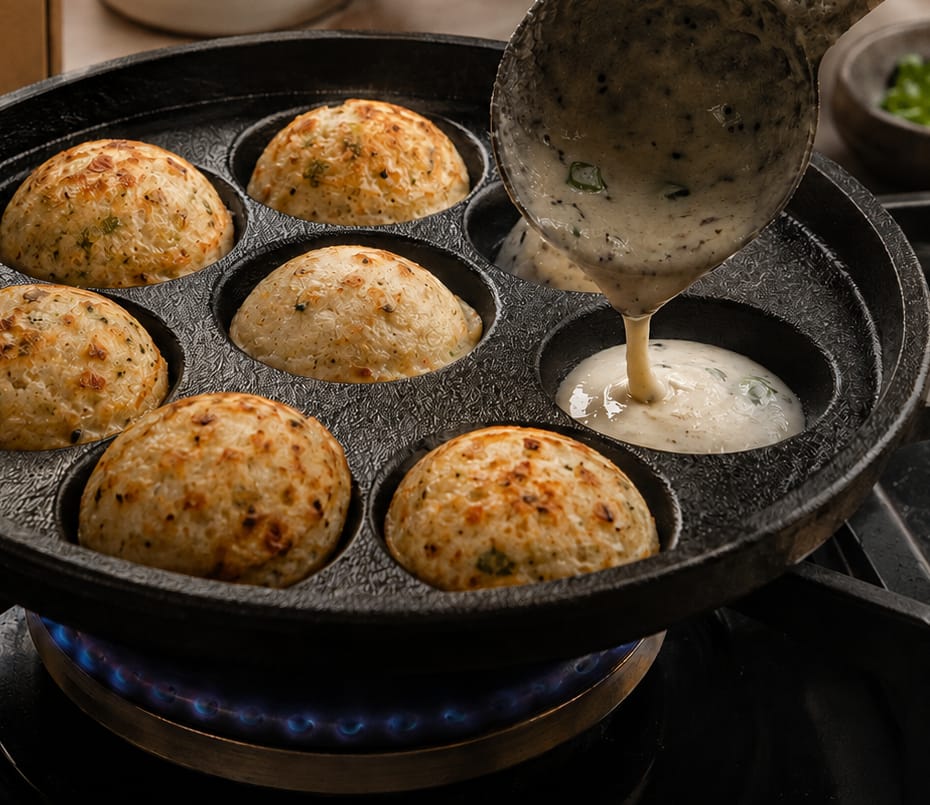
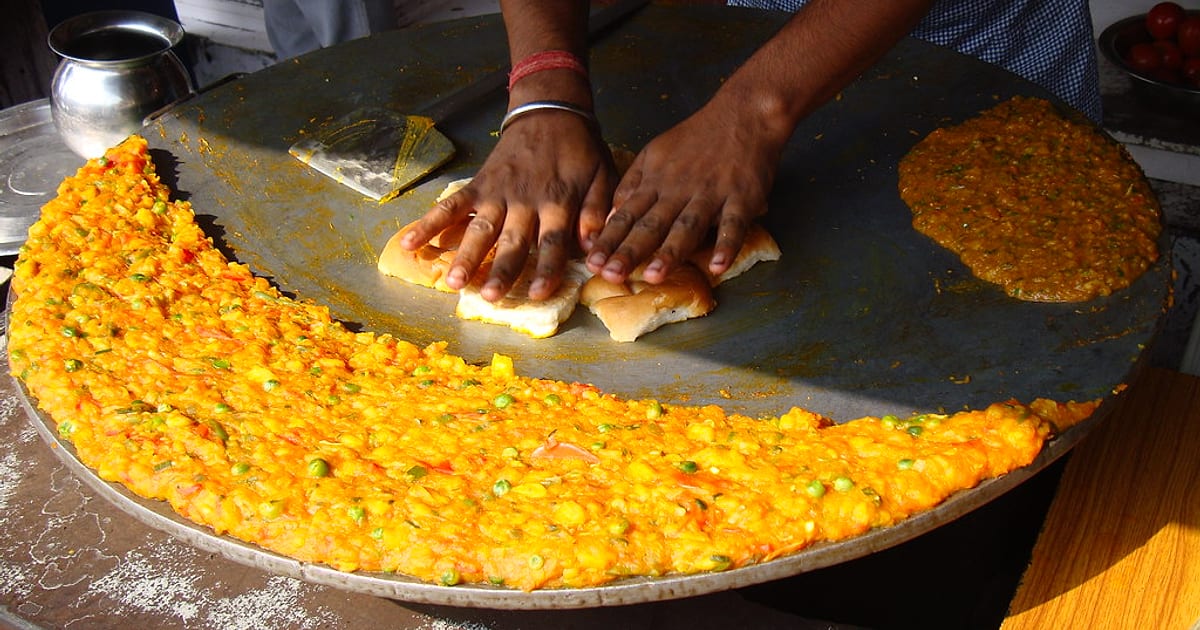
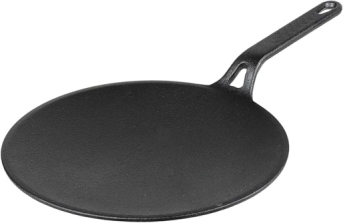
Both are made of iron, but they are not the same thing. A cast iron tawa is poured from melted iron into a mould, so it is thick and heavy. An ordinary “iron” or “lohe ka” tawa is usually cut and shaped from a flat sheet, so it is thinner and lighter. That one difference explains almost everything else: how long the tawa stays hot, how it feels in your hand, how it can fail, and what it needs from you.
If you make rotis for a family every day, a thick cast iron tawa is usually the steadier choice. If you want something light for a few rotis, a thin iron tawa can do the job. The rest of this article helps you decide, and ends with a simple roti test you can run in your own kitchen.
The moment you notice the difference
Picture the third roti of the morning. The first one cooked in a minute. The second took a little longer because the tawa had cooled where the first roti sat. By the fifth roti you are turning the flame up, and the roti is puffing unevenly. This is a very common story with a thin tawa.
Now picture a thicker tawa. It takes a little longer to heat at the start. But once it is hot, it stays hot. You can put roti after roti on it without changing the flame. Nothing about your hands has improved. The metal is simply holding more heat.
That is the real difference most home cooks feel. Everything else in this article is a closer look at why.
How each tawa is made
Cast iron: poured into a mould
Cast iron is iron with a fair amount of carbon in it, roughly 1.8 to 4 per cent by weight, according to Wikipedia’s cast iron article. Because it melts at a lower temperature than steel, it can be poured into a mould to make shapes like a tawa, a kadai or a pan.
RIVEDA cookware is made this way. Our pieces are sand-cast at our own ZED-certified foundry in Rajkot, Gujarat. The molten iron goes into a sand mould, and once it cools, the piece is ground, cleaned of sand, checked and seasoned before dispatch. If you want to see the whole story, our guide to cast iron cookware in India covers the material from the beginning.
“Iron” tawa: shaped from sheet
A regular iron tawa, also sold as a lohe ka tawa, is usually made from a flat sheet of iron or low-carbon steel. It is cut into a circle, pressed or hammered into shape and fitted with a handle. Steel is iron with less carbon. The carbon steel used for everyday sheet goods has about 0.05 to 0.30 per cent carbon in its mild form, which makes it malleable, meaning it can be bent and shaped without breaking.
So the two tawas are close cousins. They differ in how much carbon is in them and, more visibly, in how they are formed. One is poured. The other is rolled and pressed.
A small note: shop names are not exact. Some sellers call a thin tawa “iron” and a heavy one “cast iron”, while others use the words loosely. If you are unsure, ask the seller how the tawa was made, and check its weight. A cast tawa of ordinary size feels much heavier than a sheet tawa of the same width.
Heat: why thick metal holds on to it
Many people think cast iron “conducts heat better”. Actually it does not. Cast iron is not a fast conductor of heat compared with aluminium or copper. Its strength is that it holds heat, and the reason is mostly simple: there is more metal.
Carbon steel and cast iron store heat in a similar way per kilo, so the big difference is not the type of iron. It is the thickness and the weight. A thick tawa has a bigger heat store. When a cold, damp roti lands on it, the tawa loses a little heat, but it has plenty in reserve.
A thin tawa has a small store. It heats fast, which is nice, and it also cools fast and can swing in temperature.
What it means in your kitchen
- Many rotis in a row: a thick tawa stays steady. A thin one may need you to adjust the flame.
- Parathas and stuffed rotis: these need longer on the tawa, and steady heat helps the filling cook without burning the outside.
- A quick one or two rotis: a thin tawa is ready sooner and is perfectly fine.
- Dosa and uttapam: a thick, well-heated tawa gives an even surface. See our best dosa tawa guide if dosa is your main use.
Weight: the trade-off
Heat holding comes from mass, so a good cast iron tawa is heavier. Our Cast Iron Roti Tawa 22 CM weighs 1.5 kg and the Cast Iron Roti Tawa 26 CM weighs 2.0 kg. A sheet tawa of the same width will usually be lighter.
Is the weight a problem? For most people, no, because you slide the tawa on and off the stove rather than carrying it around. But think about who will use it:
- If an elderly parent or someone with a weak wrist will lift it, choose the smaller size.
- If you often flip a tawa to pour a dosa batter or to hold it over a flame for puffing, try the weight in your hand before buying, or choose a tawa with a long handle.
- Always use a dry cloth or a handle sleeve. Iron handles get hot.
Gas stoves handle a heavy tawa easily. For induction, RIVEDA tawas work on gas and induction, but please follow your hob maker’s guidance on base size and weight.
Breakage: which one fails, and how
Each tawa has its own way of going wrong.
Cast iron is hard but brittle. It does not bend. If it takes a hard knock, for example a fall onto a tile floor or a strong hit on the edge of the counter, it can crack. The same property is why cast iron is poor for things that need a thin, sharp or flexible shape. Wikipedia sums it up neatly: cast iron is comparatively brittle, strong under compression but not under tension.
Also avoid sudden shocks. Do not put a very hot tawa under a cold tap. Let it cool a little first.
Sheet iron bends instead. A thin tawa is tougher against a drop, because it takes the blow by denting. Over many years of high heat, though, a thin tawa can warp, which means the base stops being flat. Sellers often mention this. A warped tawa rocks on the flame and cooks unevenly, with one side burning and the other pale.
If you want a tawa that stays flat for many years, a thick cast one has an advantage. If you want a tawa you can drop without worry, thin sheet is more forgiving. The honest answer is to handle either one with care.
If your RIVEDA tawa arrives damaged, defective or is the wrong item, you can return it within 7 days of delivery.
Rust and care: the same rules for both
Here is a myth worth clearing up. Many people think one of these tawas rusts and the other does not. In truth, both are iron, so both will rust if they are left wet.
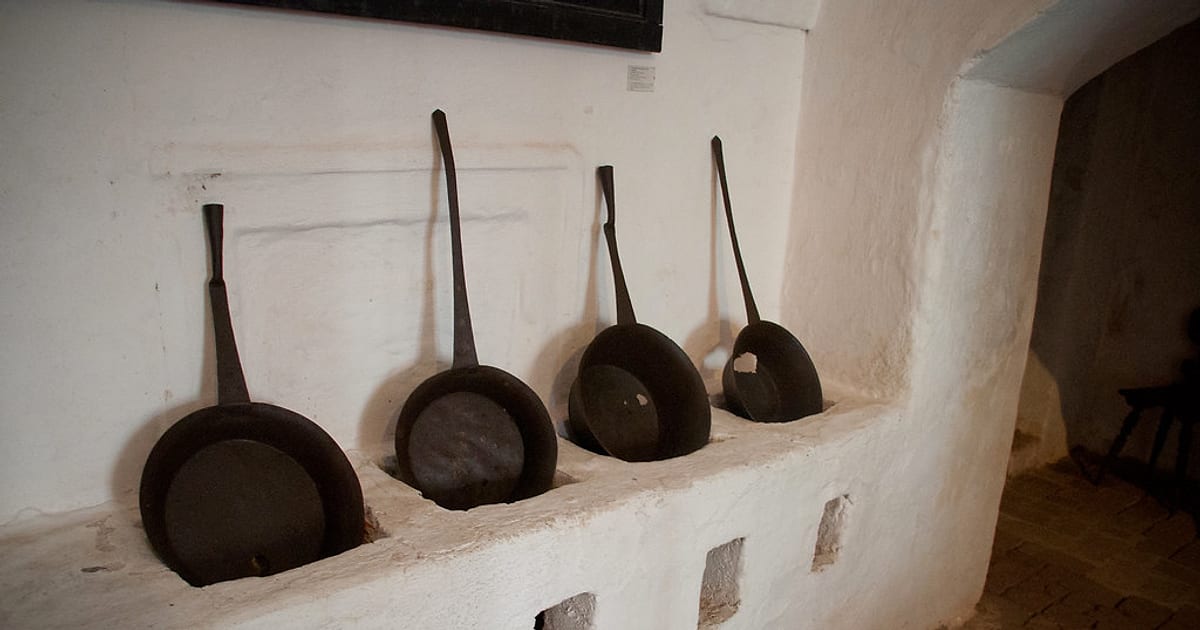
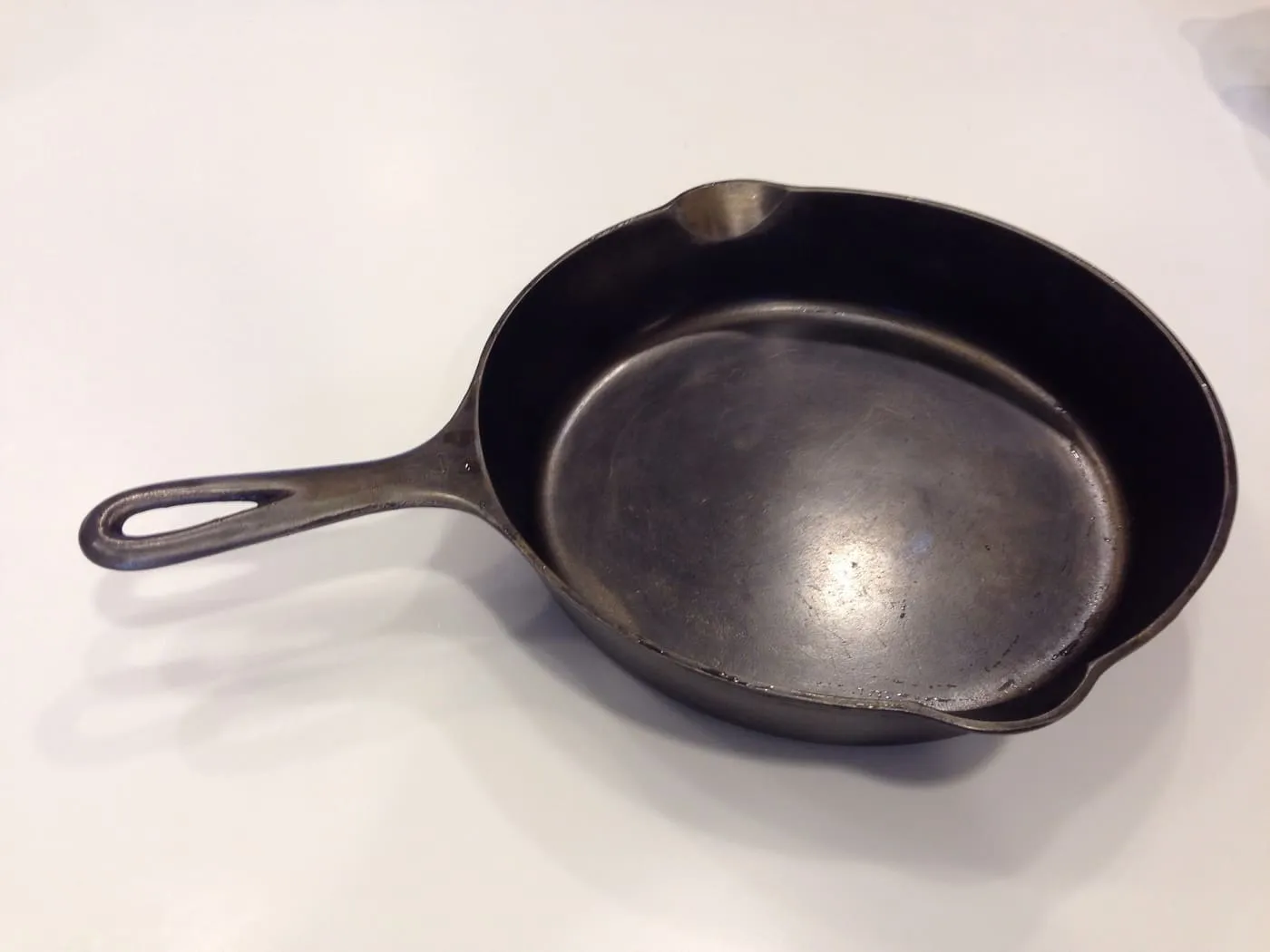 A cast iron pan with a dark, seasoned surface. Photo: NMorales (WMF), CC BY-SA 4.0.
What protects the iron is seasoning. That is a thin layer of cooking oil heated onto the metal until it hardens into a slick, dark coat. It keeps water away from the iron and makes food release more easily. A thin sheet tawa needs seasoning just as much as a thick one.
RIVEDA tawas are supplied pre-seasoned, and the layer improves as you cook. For the full method, read how to season a cast iron tawa or our seasoning guide.
The daily routine is short, and it is the same for either tawa:
- Let the tawa cool a little.
- Wipe or wash it with a soft brush or cloth. Use very little soap, or none.
- Dry it fully, and warm it on the flame for a minute so no water is left.
- Rub a few drops of oil on the surface and wipe off the extra.
- Store it somewhere dry. In monsoon, keep a paper or cloth between stacked pans.
If you do find orange spots, do not panic. Rust on a tawa can be removed, and we explain how in our rust removal guide. More day-to-day tips are on our care page.
Cooking roti: what actually changes
Whichever tawa you use, the basics of a good roti stay the same: a rolled dough, a hot surface and quick turns. Here is how the tawa affects the result.
- Heating up. Heat the tawa on medium for a few minutes. A thick tawa needs a little longer. Wait until a pinch of dry flour on the surface turns light brown within a few seconds.
- The first side. Cook until you see small bubbles, then flip.
- The second side. Cook until light brown spots appear.
- Puffing. Many cooks lift the roti off the tawa and hold it over the open flame to puff it, on a gas stove. On induction, there is no open flame, so just keep turning the roti until it cooks through.
- Oil. On a seasoned tawa, rotis usually need no oil at all. Parathas need a little ghee or oil.
On a thin tawa you may see a few burnt dots if one patch gets hotter than the rest. On a thick tawa the colour tends to be more even, but the first roti may be paler while the metal is still warming. Both are normal.
A roti test you can run at home
You do not have to trust a seller’s blog, including ours. If you have access to both kinds of tawa, perhaps one from a relative’s kitchen, run this simple comparison.
What you need: the same dough, the same stove, the same ring size, a timer and a plate.
- Roll ten rotis of about the same size before you light the stove, so you are not rushing.
- Heat the first tawa on medium until a pinch of flour browns in a few seconds. Note how many minutes that took.
- Cook five rotis back to back without touching the flame knob. Write down how long each roti takes to get brown spots.
- Look at the colours. Are the spots even? Is the last roti cooked like the first?
- Let the tawa cool fully, then repeat with the second tawa and the other five rotis.
- Compare notes. Which tawa was ready sooner? Which stayed steady? Which one needed you to change the flame?
Things to watch for: if the later rotis take longer or come out pale, the tawa lost heat. If the first roti burns, the tawa was too hot. If the roti sticks, check the seasoning and the flour on the dough.
We are not giving you our own numbers here, because the result depends on your stove, your flame and the exact tawa. The point is that the test takes about 20 minutes and answers the question for your kitchen.
So which one should you buy?
Use this quick guide.
| If this sounds like you | A good choice |
|---|---|
| Cook rotis for the whole family every day | Cast iron |
| Make parathas, dosa or uttapam on the same tawa | Cast iron |
| Want one tawa for years and are happy to season it | Cast iron |
| Cook only a few rotis at a time and want it very light | Thin iron |
| Often struggle to lift heavy pans | Thin iron, or the smaller cast iron size |
| Worry about dropping it on a hard floor | Thin iron, or handle cast iron with care |
If you pick cast iron, the 22 cm size suits a small family and a small hob, and the 26 cm suits bigger rotis and parathas. Our cast iron tawa guide goes through the sizes and handles in more detail, and our first-time buying guide lists what to check before you pay for any cast iron cookware. You can see all our tawas on the tawa shop page.
Not sure about the switch from a non-stick pan? Read cast iron vs non-stick first, and see cooking guide for everyday dishes. For questions about orders, the FAQ page and our WhatsApp number, +91 90999 29629, are there to help.
The short version
- Cast iron is poured into a mould, so it is thick, heavy and holds heat. Sheet iron is shaped from a flat plate, so it is thin, light and quick to heat.
- The type of iron matters less than the thickness. More metal means more stored heat.
- Cast iron can crack if dropped. A thin tawa can warp after long years of heat.
- Both rust if left wet, and both need seasoning and a dry, oiled finish.
- Test both on ten rotis if you can. Your own stove is the best judge.
Shop this article
Frequently asked questions
Is an iron tawa the same as a cast iron tawa?
No. Both are mostly iron, but a cast iron tawa is made by pouring melted iron into a mould, so it is thick and heavy. A common iron tawa is usually cut and pressed from a flat sheet, so it is thinner and lighter.
Which tawa is better for roti, iron or cast iron?
Both make good roti. A thick cast iron tawa gives steadier heat when you cook many rotis one after another. A thin iron tawa is lighter and heats quickly, which some cooks prefer for a few rotis.
Does a cast iron tawa break easily?
It can crack if it is dropped on a hard floor, because cast iron is hard but brittle. A thin sheet tawa is more likely to bend or dent than to crack. Handle either one with care and do not plunge a hot tawa into cold water.
Does iron tawa rust more than cast iron tawa?
Both are iron, so both can rust if left wet. The fix is the same for both: dry on the flame after washing, rub a few drops of oil, and keep the seasoning in good shape.
Can I use a cast iron tawa on induction?
Iron cookware is magnetic, so it is generally suitable for induction. RIVEDA tawas work on gas and induction, but always follow your hob maker's guidance on base size and weight.
Do I need to season both kinds of tawa?
Yes. A seasoned layer protects the iron from rust and makes the surface slicker. RIVEDA tawas are supplied pre-seasoned, and the layer improves with regular cooking.
Sources
- Cast iron — Wikipedia
- Carbon steel — Wikipedia
- Cast-iron cookware — Wikipedia
More on this topic: all comparisons articles →
Pictures: cast-iron-vs-iron-tawa.jpg (cover) — ezola, CC BY-SA 2.0; seasoned-cast-iron-skillet.jpg — NMorales (WMF), CC BY-SA 4.0.
Follow the RIVEDA blog
One short email a week with new articles — cast iron cooking, care and recipes for Indian kitchens. No spam; unsubscribe in one click.