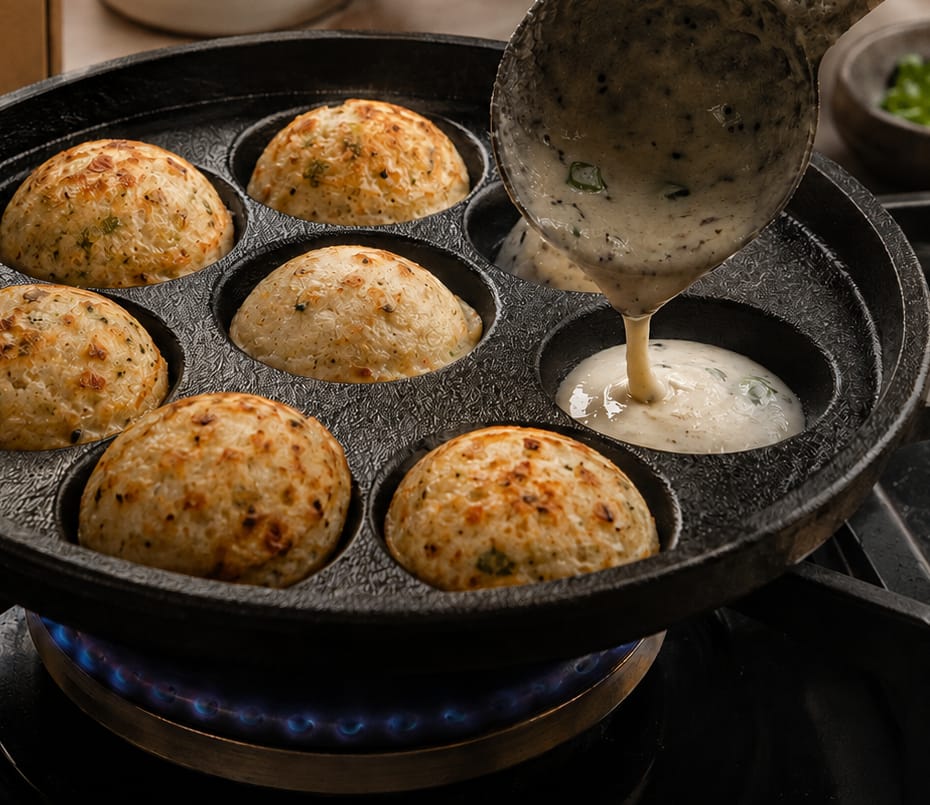
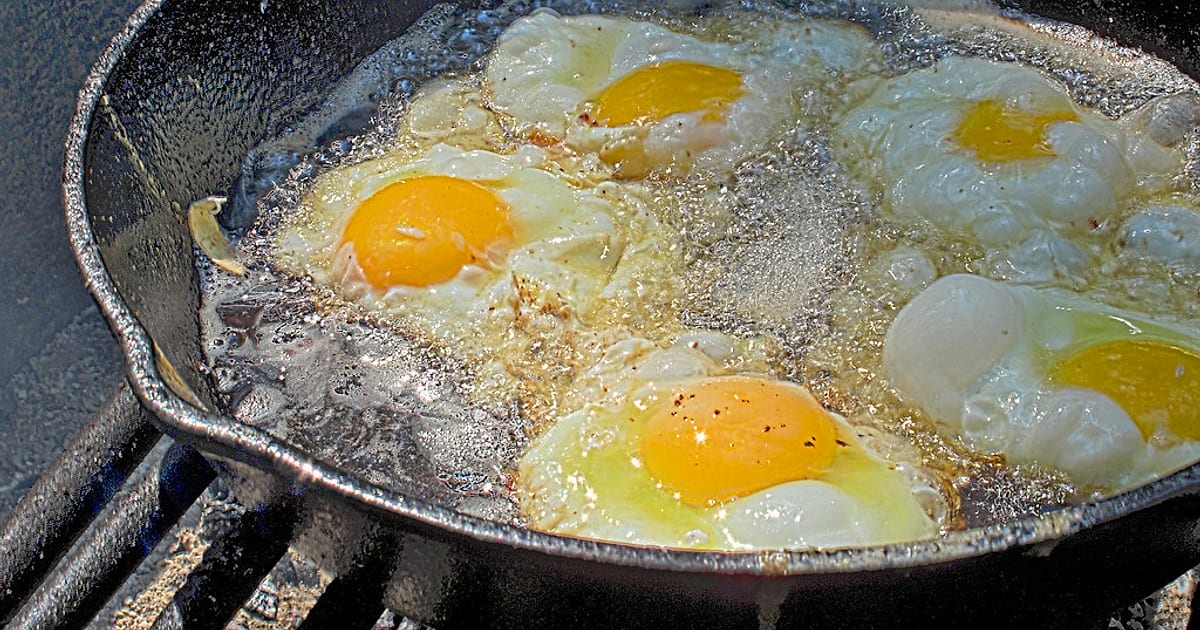
For Indian cooking, cast iron is the safer long-term choice for high-heat jobs like dosa, roti and tadka, because it has no synthetic coating to overheat or scratch off. Non-stick is convenient for low-heat cooking such as eggs and delicate fish, and is generally considered safe when used gently. The real differences come down to heat, wear, weight and how many years you want the pan to last.
Here is a fair look at both, without scaremongering.
How each pan is made
The two pans are built on completely different ideas.
Non-stick cookware is usually a thin aluminium body with a slippery coating on the cooking surface. Most coatings are based on PTFE, a plastic polymer; some newer pans use ceramic-style (sol-gel) coatings instead. The coating is what stops food sticking, and it is a separate layer sitting on top of the metal.
Cast iron is molten iron poured into a sand mould and left to set, so the pan is one thick, solid piece. There is no applied coating. Its easy-release surface comes from seasoning: thin layers of cooking oil heated onto the iron until they harden. You can read more about how it is made on our cast iron page.
That one difference, coating versus seasoning, explains almost everything else in this comparison.
High heat and coatings: the safety question
Indian cooking uses a lot of high heat. A dosa tawa is heated hot before the batter goes on, a roti is puffed over a strong flame, and a tadka needs oil hot enough to make mustard seeds splutter in seconds.
What happens when non-stick gets too hot
PTFE coatings are stable at normal cooking temperatures. The concern is overheating. If a non-stick pan is left empty on a high flame, it can get very hot very quickly, and at high temperatures (around 260 °C is the figure commonly cited) the coating can begin to break down and give off fumes. This is why most makers advise using non-stick on low to medium heat and never preheating it empty.
You may also have heard of PFOA, a chemical once used in making some non-stick coatings. Major manufacturers phased it out years ago, which is why many pans are now labelled “PFOA-free”. That is a real improvement, but the advice about not overheating the coating still stands.
The practical problem in an Indian kitchen is that a hot empty tawa is exactly how many of our dishes start. Using non-stick safely means changing habits that most of us were taught.
Why cast iron handles it
Cast iron has no coating to break down. You can heat it empty, take it to a high flame for a tadka, or leave it on the stove a little longer than planned. If the seasoning smokes, that is just oil, and the worst outcome is a patch that needs re-oiling. For dishes that need real heat, that freedom is the main reason cooks switch.
Scratches, wear and lifespan
Non-stick wears out
Every non-stick coating wears, however careful you are. Metal spatulas, steel scrubbers, stacking pans and high heat all speed this up. With daily use, many non-stick pans start losing their release within a few years, and once the coating is deeply scratched or peeling it should be replaced. A worn coating no longer protects the food from sticking, and small flakes can end up in what you cook.
Cast iron improves with use
Cast iron goes the other way. Seasoning builds with every meal, so a pan used daily tends to cook better after a year than on day one. If the surface is damaged by rust or flaking, you can scrub it and re-season it at home; our guide on how to season a cast iron tawa shows how. A well-cared-for cast iron pan can last for decades and is often passed down.
That said, cast iron is not indestructible. It can crack if dropped on a hard floor or if very hot iron is plunged into cold water, so treat it with some respect.
Heat retention: what it means for dosa and roti
This is where cast iron earns its place in an Indian kitchen.
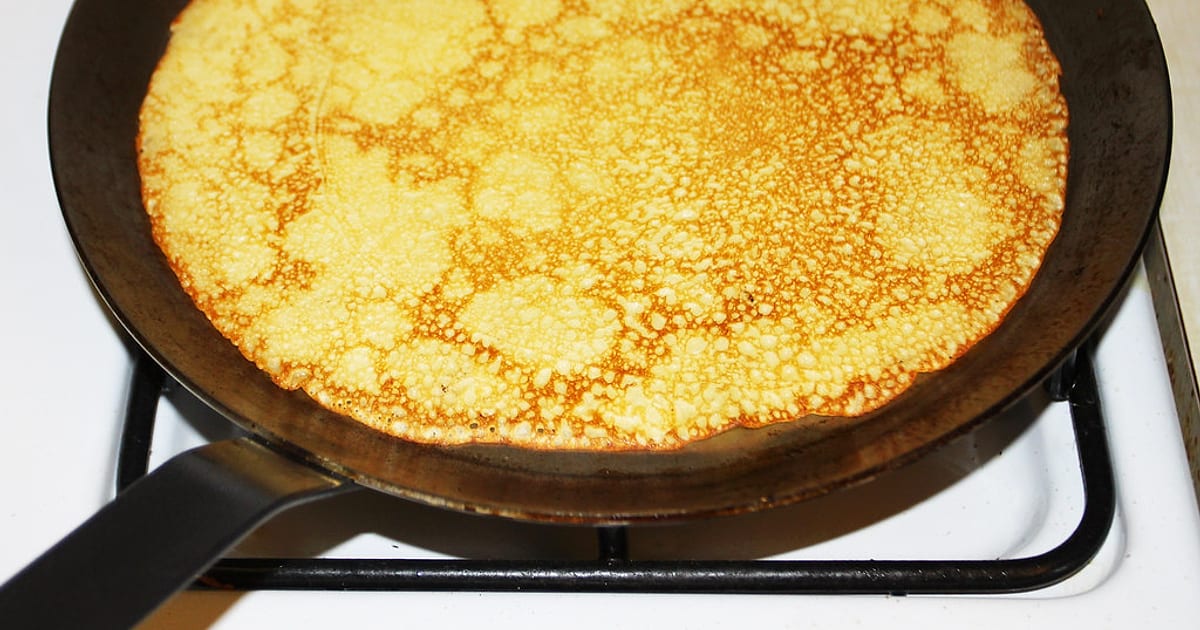
A thin non-stick pan heats up fast but loses heat the moment cold batter or dough touches it. The surface cools, the dosa steams instead of crisping, and you wait between each one for the pan to recover.
A preheated cast iron tawa stores a lot of heat in its thick body. When batter goes on, the surface stays hot, so you get:
- Crisp, golden dosas with lacy edges
- Rotis that cook evenly and puff well
- Parathas that brown properly instead of drying out
- Steady heat for a whole stack, not just the first few
The trade-off is that cast iron takes a few minutes to preheat, and you will usually cook on a lower flame than you would on a thin pan. Once you get used to that, it is very consistent. For tawa-specific advice, see our cooking guide.
Side-by-side comparison
| Cast iron | Non-stick | |
|---|---|---|
| Surface | Seasoning built by cooking | Applied coating that wears |
| High heat (dosa, tadka) | Comfortable | Not recommended |
| Heats up | Slowly | Quickly |
| Holds heat | Very well | Poorly |
| Utensils | Wooden, silicon, even steel with care | Soft utensils only |
| Weight | Heavy | Light |
| Care after washing | Dry on flame, thin oil | Gentle wash, no scouring |
| Typical lifespan | Decades with care | A few years of daily use |
| Works on induction | Yes, iron is magnetic | Only if the base is magnetic |
Weight and everyday handling
Non-stick wins easily here. A typical non-stick pan is light enough to toss vegetables with one hand.
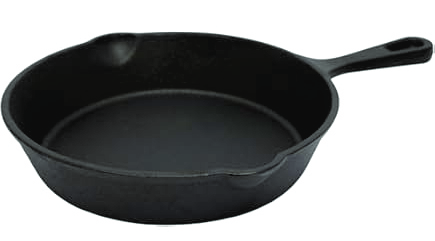
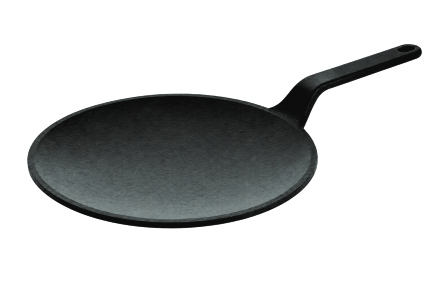
Cast iron is heavier. Even so, weights vary a lot by size and design. In the RIVEDA range, for example, the Cast Iron Roti Tawa 22 cm weighs 1.5 kg, and the Cast Iron Fry Pan 21 cm, a small, quick pan for one or two, weighs 1.6 kg. Choose the size you actually need rather than the biggest one; a pan that is comfortable to lift is a pan you will use every day. Handles get hot too, so a cloth, a silicon sleeve or grip helps.
Care: which one is more work?
Both need some care, just different kinds.
Non-stick care:
- Low to medium heat only, never empty on a high flame
- Wooden or silicon utensils
- Soft sponge, no steel scrubber
- Avoid stacking without protection
Cast iron care:
- Wash with warm water and a brush while still warm
- Dry with a cloth, then a minute on a low flame
- Wipe on a few drops of oil
- Store dry and airy, especially in monsoon
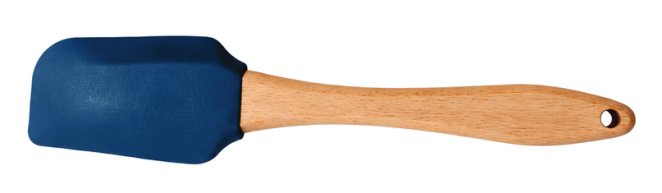
The cast iron routine takes about two minutes and quickly becomes habit. The main thing to avoid is leaving it wet, which causes rust. Our care page covers the details, and if rust does appear, it can be scrubbed off and fixed at home. A soft tool like a silicon spatula is gentle on both kinds of pan.
Cost over the years
Without going into prices, it helps to think about cost per year rather than cost at the checkout. A non-stick pan is often cheaper to buy, but with daily use it usually needs replacing every few years. A cast iron pan costs more at the start but, with basic care, does not need replacing. Over ten or twenty years, one good cast iron pan often works out to be the more economical choice, and it creates less waste.
Which should you choose?
The honest answer is that many kitchens use both.
Choose cast iron if you:
- Make dosa, roti, paratha, appam or tadka regularly
- Want a pan with no synthetic coating to wear out
- Are happy to dry and oil it after washing
- Want something that lasts for decades
Keep a non-stick pan if you:
- Cook delicate eggs or fish on low heat
- Need a very light pan for wrist or shoulder reasons
- Rarely cook on high heat
If you are moving away from non-stick, start with the piece you use most. For many families that is a tawa; for others, a small fry pan for eggs and quick sabzi.
Making the switch
Cast iron asks for a little more care, and gives back heat, crispness and a pan that outlives the trend of the year. RIVEDA cookware is cast and finished in Rajkot and arrives pre-seasoned, so you can start cooking on day one. A good first step is the Cast Iron Fry Pan 21 cm or a roti tawa, and our complete guide to cast iron cookware in India will help you plan the rest.
Shop this article
Frequently asked questions
Is non-stick cookware safe for Indian cooking?
Used as its maker intends, on low to medium heat and with soft utensils, a good non-stick pan is generally considered safe. The concerns come from overheating an empty pan and from using a pan whose coating is badly scratched or peeling.
Is cast iron better than non-stick for dosa?
For crisp dosas, most cooks prefer cast iron because its stored heat keeps the surface hot as each ladle of batter goes on. Non-stick releases easily but tends to give softer, paler dosas.
When should I throw away a non-stick pan?
Replace it once the coating is deeply scratched, flaking or peeling, or if food has started sticking all over. A worn coating no longer does its job and bits may end up in food.
Does food stick to cast iron?
A well-seasoned and properly preheated cast iron pan releases food well. Sticking usually means the pan was not hot enough or had too little oil.
Can I use cast iron on an induction stove?
Yes. Cast iron is magnetic, so it works on induction as well as gas. Lift it rather than sliding it, and follow your hob maker's guidance on base size and weight.
More on this topic: all comparisons articles →
Pictures: cast-iron-vs-non-stick.jpg (cover) — Greg Hayter, CC BY 2.0.
Follow the RIVEDA blog
One short email a week with new articles — cast iron cooking, care and recipes for Indian kitchens. No spam; unsubscribe in one click.