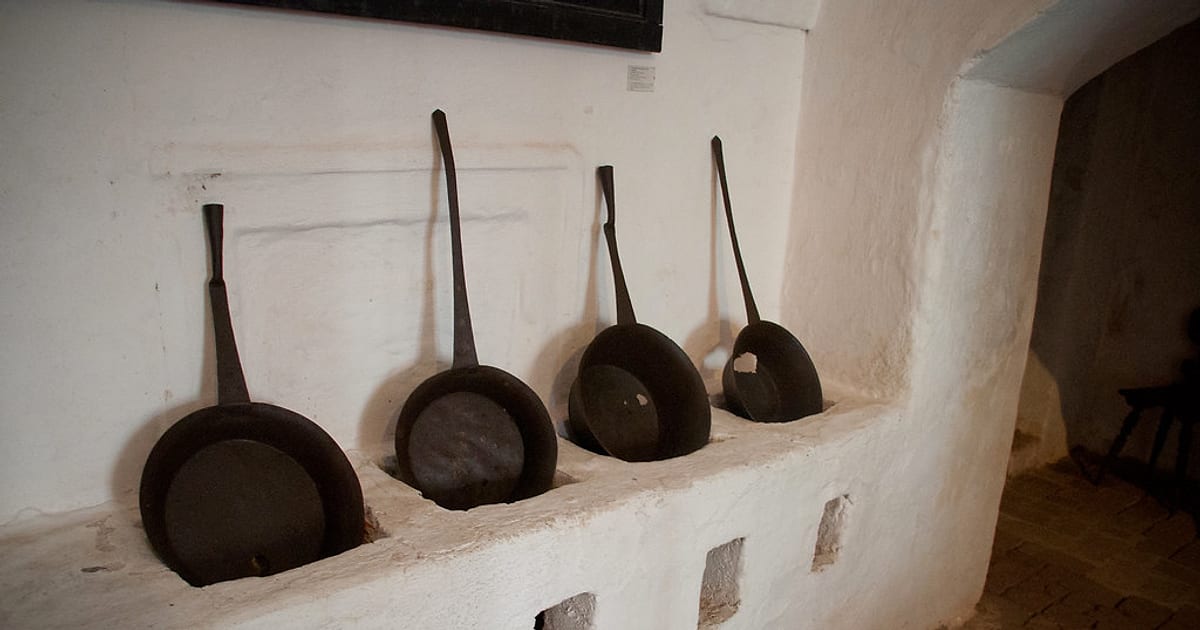
If you open any Indian kitchen cupboard, you will find a quiet truth: every pan has a job. The pan that makes a good dosa is rarely the pan that makes a good dal. The best cookware for an Indian kitchen is not one magic set. It is a few well-chosen pans, each matched to what you cook most. This guide goes job by job, so you can see what each material does well, and what to skip.
Why Indian cooking is hard on cookware
Think of a normal day. Morning: a hot tawa for rotis, one after another. Afternoon: a tadka that must sizzle for seconds, then a dal that bubbles for half an hour. Evening: a kadai full of masala with onions that need to brown, not burn. On Sunday, dosa or appam for the whole family.
That is a lot of different heat. Some jobs need fierce, quick heat (tadka). Some need steady heat that does not drop when cold dough lands on it (roti, dosa). Some need gentle, long heat with a lid (dal, rice, biryani). And a lot of our food is sour from tomato, tamarind, kokum or curd, which some metals handle better than others.
So the question is not “which material is best?” It is “which material is best for this job?” Let us look at the main materials first, in plain words.
The main materials, in plain words
Stainless steel. Strong, does not react much with food and does not need seasoning. The catch: steel alone does not spread heat well, so thin steel pans can burn food in one hot spot. Better steel pans have a layer of another metal (often aluminium or copper) sandwiched inside the base to spread heat. These are called tri-ply or clad pans. Stainless steel is a good all-rounder, especially for dal, rice, boiling and anything sour.
Aluminium. Light, heats quickly and cheap, which is why pressure cookers and many everyday pots are aluminium. The concern is with sour food. Studies on aluminium pans have found that more aluminium moves into acidic dishes such as sambar, kadhi and tomato-based food, and that new pans can release more than old ones. Read more in this review of metals leaching from cookware and in an article in The National Medical Journal of India. A sensible habit is to use aluminium for boiling and steaming, and not to keep sour food stored in it.
Non-stick. Easy for eggs, omelettes and low-oil cooking. But the coating is the weak point: it can scratch, wear out and it dislikes high heat. We look at it closely in the next section and in our article on cast iron vs non-stick.
Cast iron. Heavy, with a thick body that stores heat and gives it back evenly. It has no coating. It is the traditional choice for tawa, kadai and frying across India. It needs a little care: drying after washing, and a thin layer of oil now and then.
Earthen (clay) pots. Lovely for slow dishes like curd rice, some dals and fish curries. They are fragile, slow to heat and not suited to a hard stir-fry. They are a pleasure for certain dishes, not a full kitchen.
Job by job: which pan for what
Here is the plain table. It is a guide, not a rule: use what you already own and like.
| Job | Good choice | Why |
|---|---|---|
| Roti, chapati, paratha | Cast iron tawa | Steady heat, even brown spots |
| Dosa, uttapam | Cast iron tawa, 28 to 30 cm | Holds heat when cold batter lands |
| Tadka | Small steel or iron pan or ladle | Heats fast, uses little oil |
| Curries, sabzi, frying | Cast iron or heavy steel kadai | Deep, even heat, good for browning |
| Dal, rice, boiling | Stainless steel pot or pressure cooker | Light, lid fits, easy with sour food |
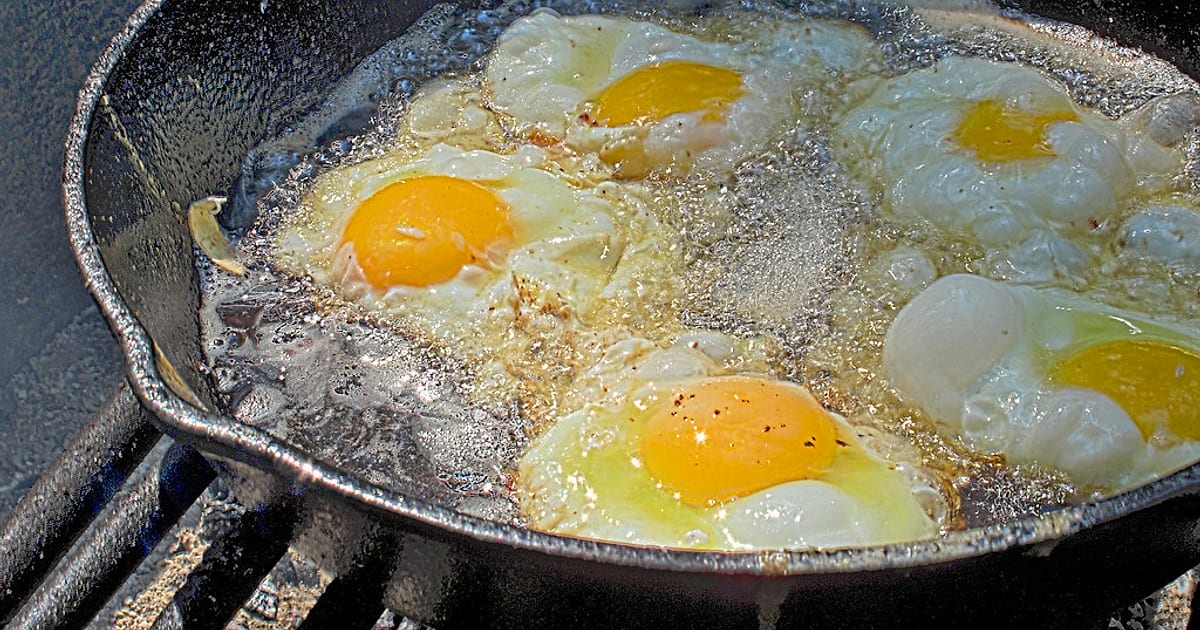
| Eggs, light frying | Fry pan (cast iron or non-stick) | Flat, shallow, easy to flip |
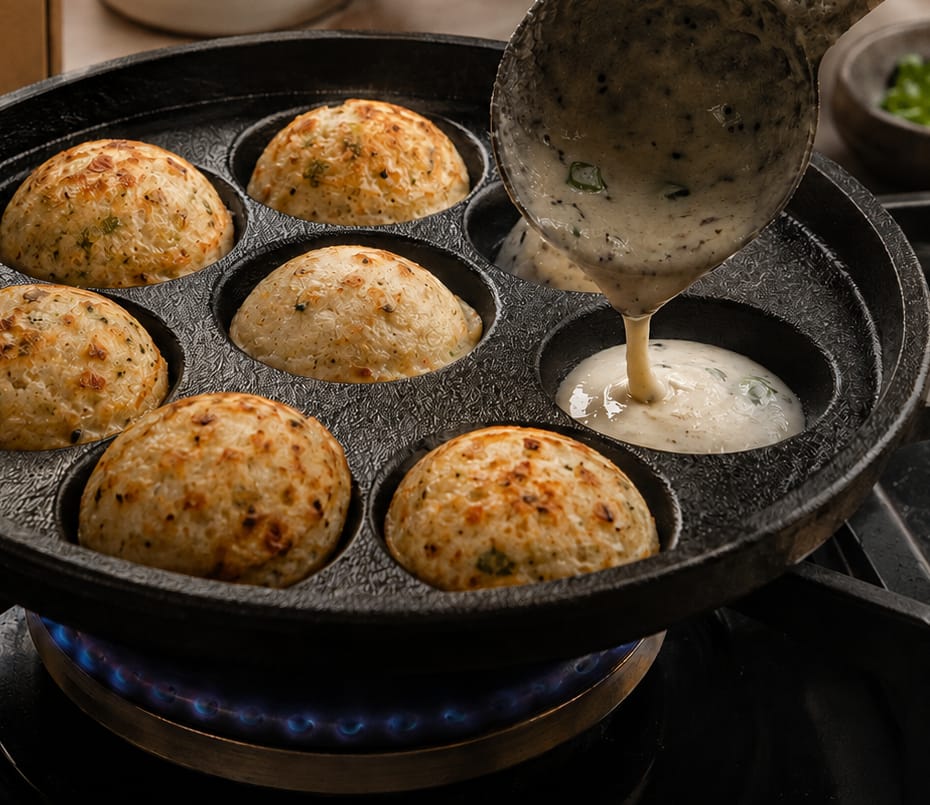
| Appam, paniyaram | Cast iron pan with pits | Even heat in every round |
Let us walk through the main ones.
Roti and paratha: the tawa
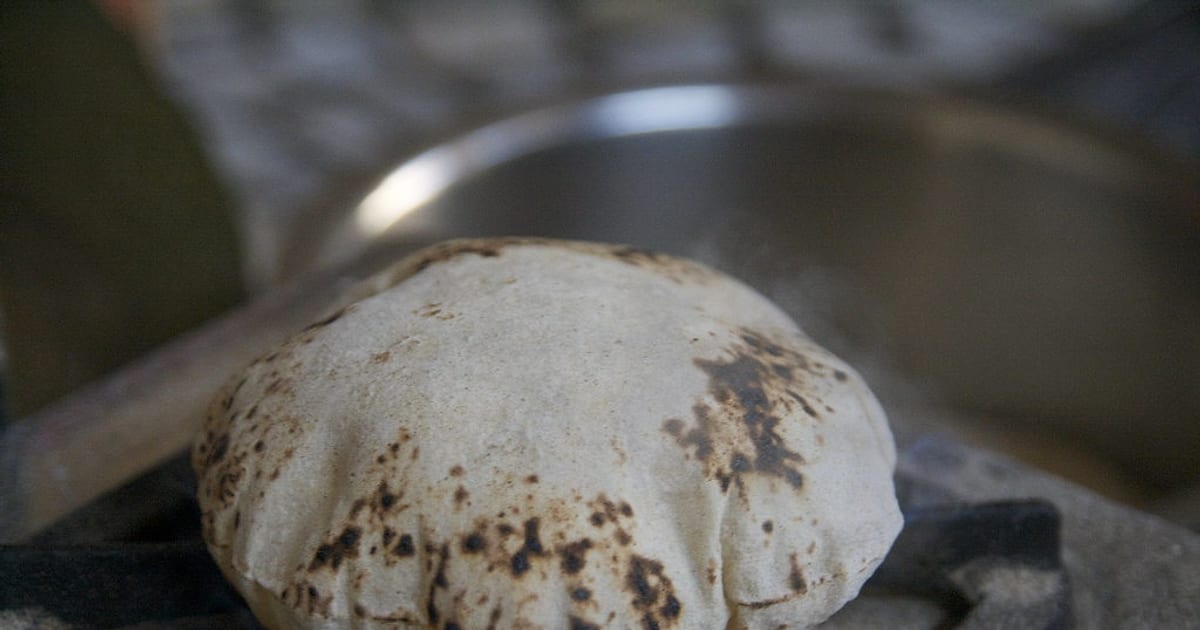
A roti needs a hot, dry surface that does not cool when the dough touches it. A thin tawa loses heat, so the roti dries out before it puffs. A thick cast iron tawa keeps its heat from the first roti to the twentieth.
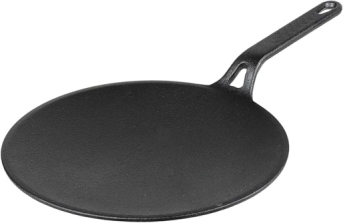
For a family that mostly makes rotis, a 22 to 26 cm tawa is easy to handle. The Cast Iron Roti Tawa 26 CM weighs 2.0 kg and has a single long handle, with room for stuffed parathas. If you want a lighter one, the 22 CM version is 1.5 kg. Our cast iron tawa guide explains how to choose between sizes and handles.
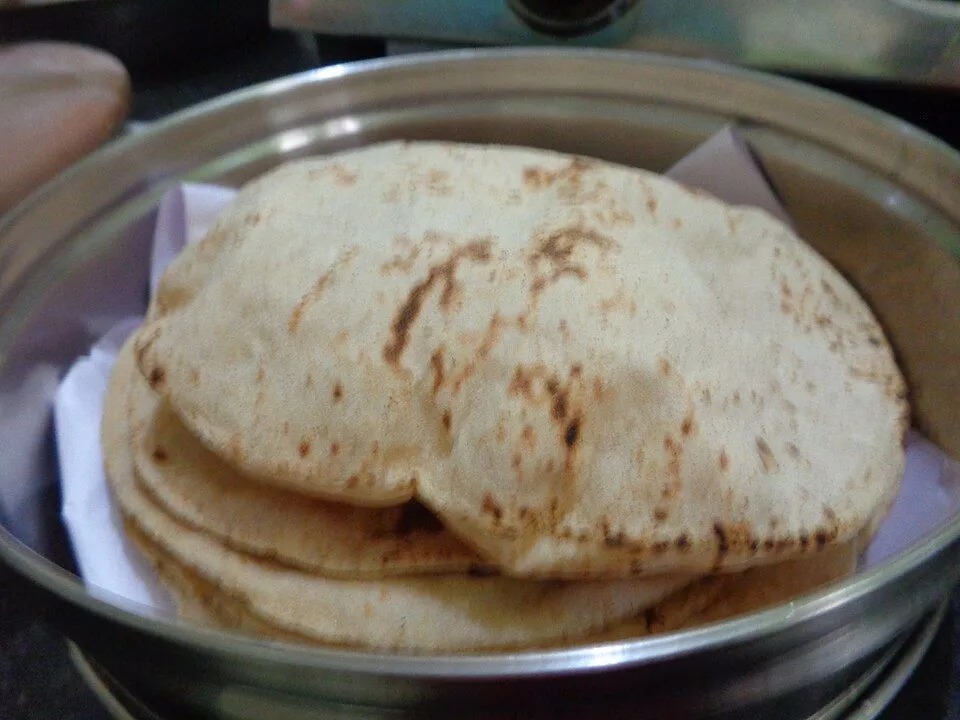 Freshly made rotis, puffed with brown spots. A thick tawa helps every roti in the stack cook the same. Photo: YuktySingh, CC BY-SA 4.0.
Dosa: bigger and well seasoned
Dosa is the fussiest tawa dish. The batter must spread thin without tearing, then release cleanly. The tawa should be large (28 to 30 cm), flat, and well seasoned.
Seasoning means oil that has been heated onto the iron until it forms a dark, slick layer. It is what makes a cast iron tawa release food. Rubbing a thin film of oil over the surface after washing keeps it that way. Our guide on how to season a cast iron tawa and the seasoning page show the steps.
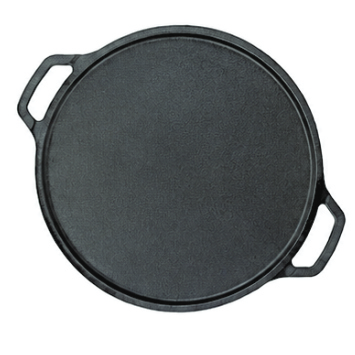
If you want a pan that handles dosa and also fits a normal burner, the Cast Iron Double Handle Dosa Tawa 30 CM is 2.8 kg, with two side handles for lifting with both hands. A heavier tawa holds heat better, but it is also harder to lift, so think about who will use it every day.
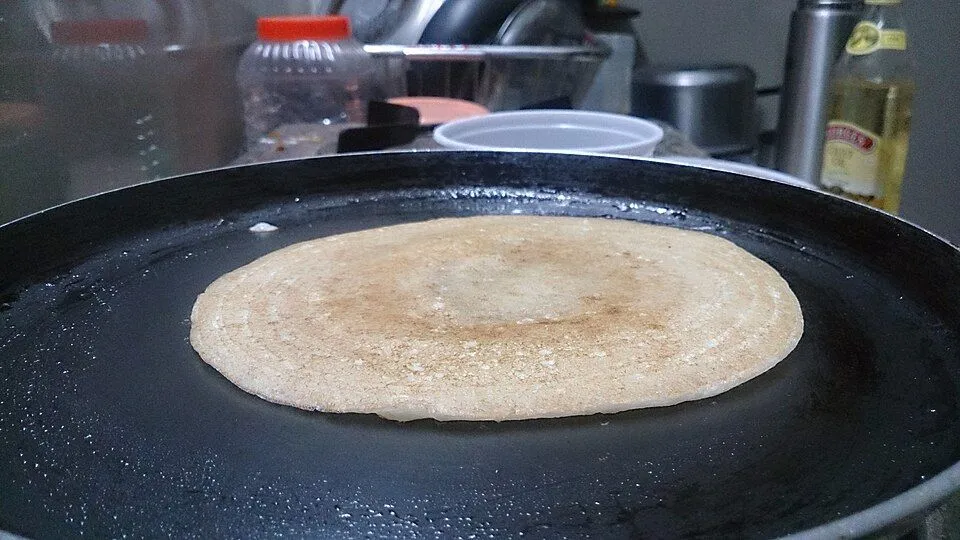 A dosa cooking on a large, flat tawa. The surface should be hot and even so the batter spreads thin. Photo: Kumawat10, CC BY-SA 4.0.
Tadka: small and fast
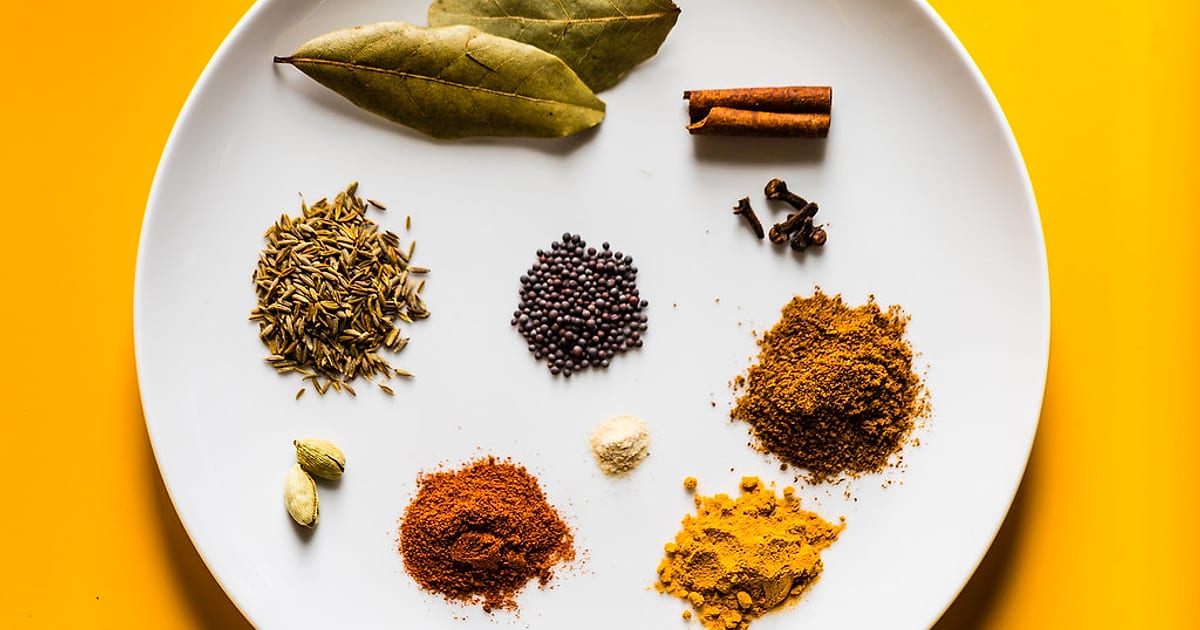
Tadka (also called chhaunk or tempering) is oil, then mustard or cumin, then curry leaves or garlic, often only for a few seconds. The mistake many people make is using a big pan. In a wide pan, a spoon of oil spreads into a thin film and burns the spices before they pop.
A small pan, a tadka ladle or a small steel pot works best. Heat the oil, add the spices, count the seconds, pour over the dal. You do not need anything special here.
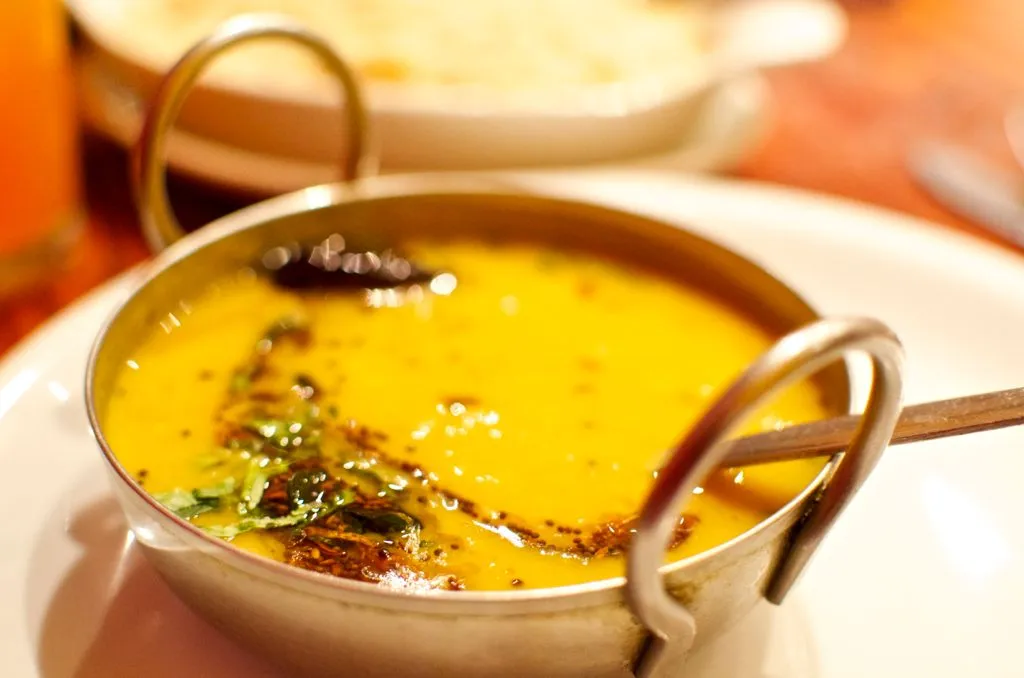 Dal finished with a tadka of spices and curry leaves, which is made in a small pan in seconds. Photo: aimee rivers, CC BY-SA 2.0.
Dal and rice: light, with a lid
Dal needs long, gentle heat and often a lot of water. This is where a heavy iron pot is not ideal for every family. A stainless steel pot or a pressure cooker is lighter, has a tight lid and handles sour dals (with tomato, tamarind or kokum) without any worry about the surface. Many homes keep dal in steel and use cast iron for the other jobs. That is a good balance.
Curries, sabzi and frying: the kadai
A kadai has deep, curved sides, which suit stirring, frying puris or pakoras and making a thick masala. Cast iron suits it because the thick base browns onions well and recovers its heat when you add cold vegetables.
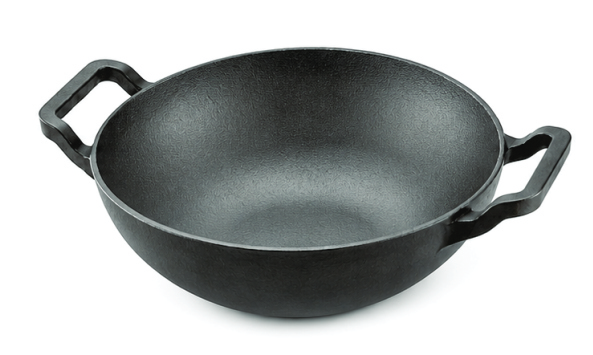
The Cast Iron Kadai 27 CM is 2.7 kg and has two side handles. It is a medium size that suits a family of four to five for a normal curry. If you cook for a lot of people, the 31 CM is bigger, and the 23 CM is a good small size. Our article on choosing the best cast iron kadai goes through the sizes.
One honest note: for a new, thinly seasoned iron kadai, avoid cooking very sour dishes for a long time, and do not store curry in it. Cook, serve, then move leftovers into a steel or glass container.
What to be careful with
A good kitchen is not only about what to buy. It is also about what to avoid. Here are the main points, plainly.
Non-stick pans
The coating is the thing to watch. Do not use a pan with a peeling or flaking coating, and do not use metal spoons that scratch it. Do not heat any non-stick pan empty.
How hot is too hot? The Singapore Food Agency says the coating (PTFE) can begin to give off fumes at around 260 °C, and that an empty pan can reach such heat within minutes. The 2024 ICMR-NIN dietary guidelines, as reported by The Week, advise not heating non-stick pans above about 170 °C and replacing a pan when the coating wears. The simple rule that fits both is this: use low to medium heat, keep food or oil in the pan, and replace it when the coating wears.
This matters for Indian cooking because many of our dishes, like dosa and roti, want a hot surface. A coated pan and a roaring flame are not a good match. If you want to read more, see our cast iron vs non-stick comparison.
Thin aluminium for sour food
As above, acidic dishes pick up more metal from aluminium. Use it for boiling, steaming and short cooking. Do not leave sambar, kadhi or tomato curry sitting in it for hours.
Very thin steel pans
A thin steel pan, without a heat-spreading base, makes hot spots. Rotis burn in one place and stay pale in another. If you buy steel, look for a thick or layered base.
Anything you cannot lift easily
A tawa that is too heavy for the person who cooks every day will sit unused. Weight is a feature when it holds heat, and a problem when it hurts your wrist. Check the weight in the product details before you buy.
A starter kit for a typical home
If you are setting up a kitchen, or replacing worn pans, a sensible starter kit looks like this:
- A roti tawa (22 to 26 cm) in cast iron.
- A dosa tawa (28 to 30 cm) in cast iron, if you make dosa often. One bigger tawa can do both jobs.
- A kadai (around 27 cm) in cast iron or heavy steel.
- A pressure cooker and a steel pot for dal, rice and sour dishes.
- A small tadka pan.
- Optional: a fry pan, an appam pan, or a Dutch oven for slow cooking, if you cook those dishes.
That is five or six pieces and it covers most Indian meals. If you are new to iron, our first-time buyer’s guide tells you what to ask before you buy.
How RIVEDA fits in
RIVEDA is a brand of Metalix Ferrocast. Our cast iron cookware is cast at our own ZED-certified foundry in Rajkot, Gujarat. ZED stands for Zero Defect, Zero Effect, a government of India scheme that encourages manufacturers to improve quality and reduce their impact on the environment. The pieces are sand-cast, then go through grinding, sand cleaning, quality checks and seasoning before dispatch. They are supplied pre-seasoned, which means the surface already has a first layer of seasoning and you can start cooking after a wash.
Our cast iron works on gas and induction. Always follow your hob maker’s guidance on base size and weight. For more on the material, see our page on why cast iron, the care guide and the cooking guide. You can browse the full range under tawas, kadai and fry pans, or see everything in the shop.
Common questions people have
“Is cast iron too heavy for daily use?” It is heavier than steel or aluminium. That weight is what holds the heat. Choose a size you can lift comfortably, such as the 1.5 kg 22 cm roti tawa, and keep heavier pieces for jobs where you do not need to lift them often.
“Do I have to season it again and again?” The pieces come pre-seasoned. Cooking with oil keeps building the layer. If food starts to stick or the surface looks dull, a quick re-season fixes it. See the care guide.
“Will it rust?” Only if it stays wet. Dry it after washing, over a low flame for a minute, then wipe a thin film of oil. If rust does appear, it can be fixed: see how to remove rust from cast iron.
“Is it healthy?” It has no synthetic coating. Whether it adds iron to food depends on the dish and the pan, and people with iron-related medical conditions should ask their doctor first. Our article on whether cast iron cooking is healthy goes through the facts.
The short version
- Match the pan to the job: a thick tawa for roti and dosa, a deep kadai for curries, a light pot or cooker for dal and rice, a small pan for tadka.
- Cast iron is excellent where steady heat matters. Steel is the easy all-rounder for sour and long-cooked food.
- Be careful with worn non-stick coatings, empty pans on high heat, and long storage of sour food in thin aluminium or new iron.
- Buy for the person who cooks every day: check the size and weight.
- Start small. Four or five good pans beat a cupboard full of sets.
If you want to start with the pans that do the most work in an Indian kitchen, look at the roti tawa, the dosa tawa and the kadai. Questions? Our FAQ has answers, and you can message us on WhatsApp at +91 90999 29629.
Shop this article
Frequently asked questions
How many pans does an Indian kitchen really need?
Four or five cover almost everything: a tawa for roti, a tawa for dosa, a kadai, a pot or pressure cooker for dal and rice, and one small pan for tadka. A fry pan or appam pan is a bonus if you cook those dishes often.
Can I use one tawa for both roti and dosa?
Yes, many homes do. A tawa of 26 to 30 cm with a flat surface works for both. If you make dosa every week, a bigger tawa with a smooth, well-seasoned surface makes spreading batter easier.
Is cast iron good for everyday Indian cooking?
It suits tawa cooking, frying and curries very well because it holds heat steadily. It is heavy and needs drying after washing, so many families keep it for the jobs where it helps most and use a light pot or cooker for the rest.
Which cookware should I avoid in an Indian kitchen?
Avoid any pan with a peeling or flaking coating, and avoid heating any coated pan empty. Be careful with long storage of sour dishes such as sambar or kadhi in thin aluminium or in new, thinly seasoned iron.
Can I use cast iron on an induction cooktop?
Cast iron is magnetic, so it is usually compatible with induction. Always follow your hob maker's guidance on base size and weight, and lift the pan rather than sliding it across the glass.
Do I need a different pan for tadka?
A small pan or tadka ladle heats fast and uses little oil, which is why most homes keep one. In a big kadai, a small amount of oil spreads thin and spices burn easily.
Sources
- Safe Practices for Non-Stick Pans — Singapore Food Agency
- Assessing Leaching of Potentially Hazardous Elements from Cookware during Cooking: A Serious Public Health Concern — PubMed Central (NIH)
- Aluminium utensils: Is it a concern? — The National Medical Journal of India
- ICMR's guidelines on non-stick cookware sparks off an industry fight — The Week
- Dietary Guidelines for Indians (2024 Edition) — ICMR-National Institute of Nutrition (via Nutrition Connect)
More on this topic: all cookware guides articles →
Pictures: best-cookware-for-indian-kitchen.jpg (cover) — spurekar, CC BY 2.0; daal-tadka.jpg — aimee rivers, CC BY-SA 2.0; tawa-roti.jpg — YuktySingh, CC BY-SA 4.0; tawa-dosa.jpg — Kumawat10, CC BY-SA 4.0.
Follow the RIVEDA blog
One short email a week with new articles — cast iron cooking, care and recipes for Indian kitchens. No spam; unsubscribe in one click.